
Most people think of wildlife travel as hopping into a safari jeep, spotting lions in the distance, and snapping a few photos before heading back to camp. But the natural world has far more surprises up its sleeve. From swimming alongside gentle whale sharks in warm tropical waters to trekking into remote landscapes in search of animals most people don’t even know exist—these moments redefine the meaning of “wild.”
This list isn’t about the usual game drives or zoo visits. It’s about encounters that make you feel like you’ve stepped into another planet—moments so rare, quirky, and awe-inspiring that they’ll stick with you long after you’ve unpacked your bags. Whether you’re an adventure seeker, an animal lover, or simply someone who loves to collect unforgettable experiences, here are five extraordinary wildlife encounters worth adding to your bucket list.
Swimming with Whale Sharks – Isla Holbox, Mexico
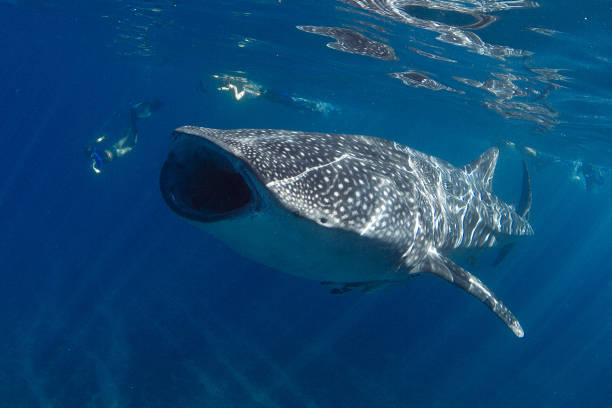
Imagine sliding into the warm, turquoise waters off Isla Holbox and see a shadow—a moving one—stretching longer than a school bus. Then, the giant takes shape: white-dappled skin, slow swaying tail, and a mouth wide enough to swallow a basketball hoop (though don’t worry, they’re plankton-only eaters). This is the world’s largest fish—the whale shark—gliding past you with the calm confidence of something that’s been doing this for millions of years.
The beauty of this encounter isn’t in heart-pounding speed or danger—it’s in the quiet awe of watching a creature so massive move so gently. You’ll often see them feeding, scooping plankton into their cavernous mouths as pilot fish hitch a ride. And while their size impresses, their unhurried grace stays with you long after you’ve climbed back onto the boat.
Best Time to Go
June to September is prime season, with peak sightings in July and August when whale sharks gather in large numbers. Opt for early morning tours when the sea is calmer and boats are fewer—it makes the experience more peaceful (and photogenic).
Pro Tips for a Meaningful Experience
- Pick the right guide: Choose a licensed operator who limits swimmers in the water at any one time, keeps an appropriate distance, and never chases the sharks.
- Gear up wisely: A lightweight wetsuit or rash guard protects against sunburn and helps you stay buoyant.
- Mind your movements: Swim alongside, not in front of, the shark. Keep your kicks gentle to avoid splashing.
- Bring a wide-angle camera lens: The size of these creatures is almost impossible to capture otherwise.
Puffin Spotting – Westman Islands, Iceland
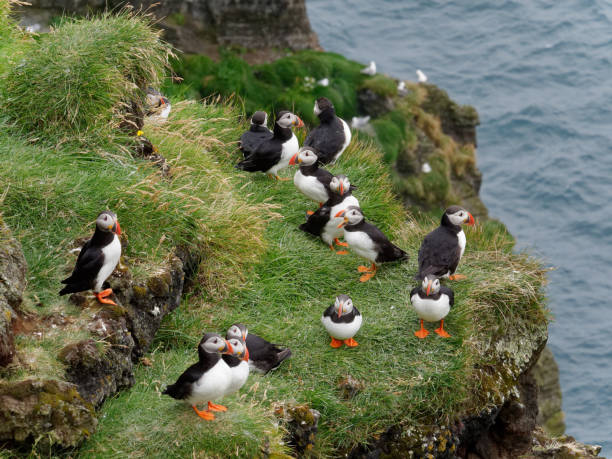
They look like they’ve flown straight out of a children’s storybook—bright orange beaks, tuxedoed feathers, and that famously awkward waddle. But puffins are far from comic relief; they’re skilled divers, capable of plunging more than 60 meters into the ocean in pursuit of fish. And in Iceland’s Westman Islands (Vestmannaeyjar), you can witness these seabirds en masse, returning each summer to nest on the grassy cliff edges that overlook the wild North Atlantic.
Arrive in peak season and the cliffs come alive with motion—thousands of puffins wheeling overhead, darting out to sea and back again, beaks full of sand eels for their chicks. It’s mesmerizing, and yet fleeting: once the short Arctic summer ends, they vanish back into the open ocean for months.
Best Time to Go
Late April to early August is nesting season, with July offering the highest concentration of birds and the most reliable viewing. Arrive in the early morning or late evening for softer light and quieter crowds—plus, puffins tend to be more active then.
Pro Tips for a Meaningful Experience
- Book a local-led tour: Guides know the safest vantage points and share fascinating details about puffin behavior, migration, and conservation efforts.
- Respect the distance: Even if they seem unbothered, nesting puffins are vulnerable. Use binoculars or a zoom lens instead of getting closer.
- Dress for the wind: The Westman Islands are beautiful, but the sea breeze can be biting—even in July.
- Stay a night: Most visitors day-trip from the mainland, but an overnight stay lets you explore the islands after the day crowds depart.
Meeting Quokkas – Rottnest Island, Australia
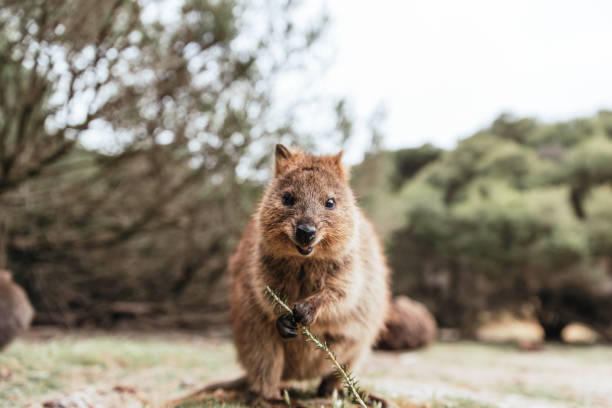
It’s hard not to fall for a quokka. With their perma-grins, round cheeks, and curious glances, they’ve been dubbed “the world’s happiest animal”—and on Rottnest Island, you’ll find them living up to the hype. These pint-sized marsupials are naturally inquisitive, hopping through sandy paths and shady eucalyptus groves as if they own the place (which, to be fair, they do).
Seeing them in the wild is a joy, but it’s also a privilege—Rottnest is one of the only places on Earth where you can reliably encounter them, thanks to its predator-free environment. As the afternoon light turns golden, quokkas become more active, emerging from underbrush to forage. It’s the perfect time to spot them (and yes, capture that iconic grin on camera).
Best Time to Go
Late afternoon into early evening offers the best mix of active quokkas and gorgeous light for photos. While they’re visible year-round, spring (September–November) also brings a burst of wildflowers that makes your island walks even more scenic.
Pro Tips for a Responsible Encounter
- Let them come to you: Quokkas are naturally curious—if you stay still, one might hop over for a sniff.
- Skip the snacks: Human food can make them sick; stick to photos, not feeding.
- Mind your movement: Crouch or kneel to get eye-level shots without looming over them.
- Explore beyond the main settlement: You’ll find fewer people and more relaxed wildlife on the quieter trails.
Trekking for Mountain Gorillas – Volcanoes National Park, Rwanda
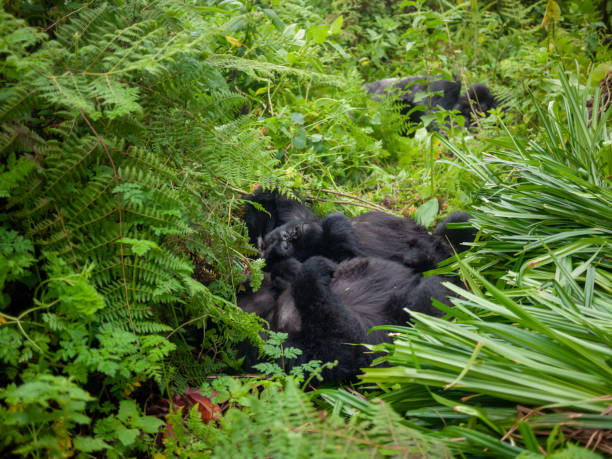
There you are hiking through cool, mist-laced air, the earthy scent of wet bamboo filling your lungs, when your guide signals for silence. You part the foliage—and there they are. A silverback rests among the ferns, his massive frame both powerful and peaceful. Nearby, a young gorilla clumsily tumbles over its sibling, earning a deep, rumbling grunt from their mother. In that moment, the jungle feels like a sacred space, and you’re a quiet guest in their home.
Rwanda’s Volcanoes National Park is one of the few places on Earth where you can meet mountain gorillas in the wild. The treks vary in length and intensity—from a gentle hour’s walk to a challenging multi-hour climb—but every step heightens the anticipation. The payoff isn’t just the sight of gorillas; it’s the profound sense of connection to a species that shares 98% of our DNA.
Best Time to Go
June to September and December to February are the driest months, making the steep, forested slopes easier to navigate. That said, treks run year-round, and the rainy season brings lush greenery and fewer visitors.
How to Prepare
- Book well in advance: Permits are limited and can sell out months ahead.
- Train your legs: The terrain can be steep, muddy, and at high elevation—build up stamina before you go.
- Gear up smart: Waterproof boots, gloves for grabbing vegetation, and a lightweight rain jacket are essentials.
- Pack patience: Gorillas move on their own terms—your guide will track them, but timing is part of the adventure.
Ethical Encounter Essentials
- Keep the 7-meter distance rule—even if a curious juvenile moves closer, step back.
- Wear a mask when instructed; it helps prevent disease transmission.
- Limit noise, movement, and camera flashes.
Observing Komodo Dragons – Komodo National Park, Indonesia
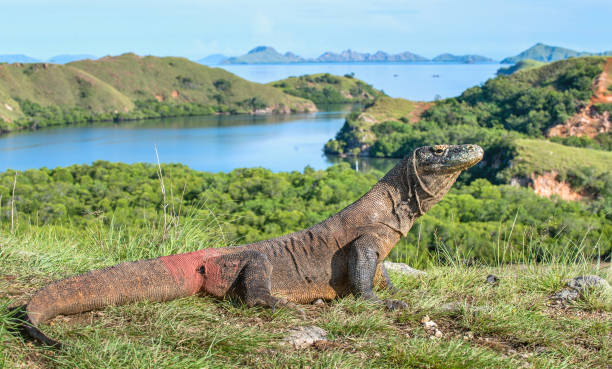
The heat shimmers off the dry, scrub-covered hills as you follow your ranger along a narrow trail. Suddenly, the brush ahead rustles—and a hulking shape emerges. Thick, muscular limbs. Scaly, earth-toned skin. A forked tongue flickers in the air, tasting for your scent. This is the Komodo dragon, the largest lizard on Earth, and seeing one up close feels like stumbling into the Jurassic era.
These apex predators can grow over 3 meters (10 feet) long, weighing more than 150 kilograms. They’re masters of patience, capable of lying motionless for hours before unleashing a lightning-fast sprint to capture prey. Their venomous bite and serrated teeth make them formidable hunters, but in Komodo National Park, you can observe them safely—if you follow the rules.
Best Time to Go
April to June offers lush landscapes and active wildlife after the rainy season, with fewer visitors than peak months. September to November is also excellent—drier, quieter, and perfect for photography.
How to Make the Most of Your Visit
- Always go with a licensed ranger—they understand the dragons’ behavior and can spot signs of aggression long before you do.
- Wear sturdy shoes for walking on rocky, uneven terrain.
- Stay hydrated—temperatures can soar, and shade is scarce.
- Keep your distance—at least several meters; dragons can cover ground much faster than they look capable of.
Ethical and Safety Considerations
- Never attempt to feed a dragon—human food alters their behavior and can make them aggressive.
- Avoid blocking their path or lingering too close; this is their territory.
- Be respectful of all wildlife in the park, from the dragons themselves to the deer and birds that share the ecosystem.
A Wild World Waiting
From the turquoise waters of Mexico to the windswept cliffs of Iceland, the animal kingdom is brimming with moments that can stop you in your tracks—if you know where to look. These aren’t just bucket-list ticks; they’re heart-stirring encounters that connect you to the wild in a way no photograph ever could.
The secret to experiencing these wonders isn’t just about choosing the right destination—it’s about timing, preparation, and traveling in a way that leaves the world better than you found it. That’s where I come in. As your personal travel advisor, I’ll help you navigate the seasons, connect you with ethical guides, and craft an itinerary that flows as naturally as the wild places you’re exploring.
When you’re ready to trade the ordinary for the unforgettable, we’ll design a journey worthy of the creatures—and the memories—you’ll meet along the way.