
Traveling is an exciting adventure, but getting sick while away from home can turn a dream vacation into a stressful experience. In this article, I’ll take you through my top tips to ensure you are adequately prepared for any health issue that may arise during your trip.
Choose the Right Travel Insurance
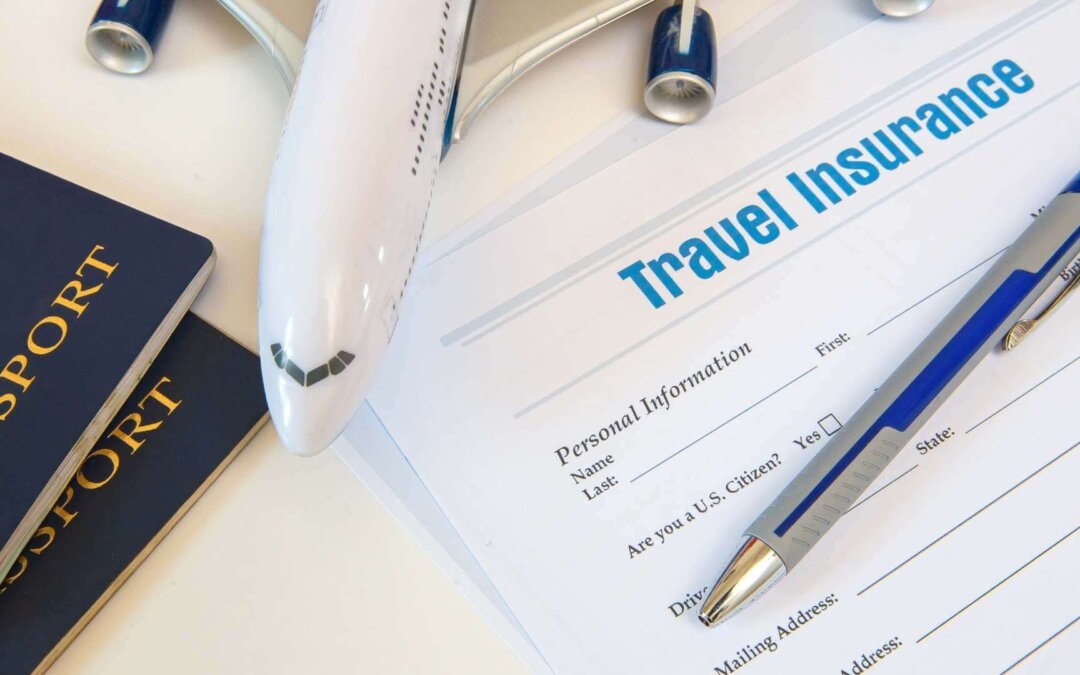
Before traveling internationally, it’s smart to check if your health insurance covers expenses abroad or if you need to purchase travel insurance. Otherwise, in the event of a medical emergency, you may be forced to pay out-of-pocket
One of my roles as a personal travel advisor is helping my clients find a travel insurance policy that covers medical care abroad. That’s because most standard insurance plans, including Medicare, don’t cover international medical expenses, so it’s crucial to get a policy specifically for travel.
Look for policies covering emergency evacuation, as this can be very expensive. Evaluate short-term health insurance options designed for travelers to ensure you are covered for medical emergencies during your trip. Compare different plans and choose one that meets your needs and destination requirements.
Also, schedule a visit with your primary care doctor or a travel health specialist at least a month before your trip. Discuss your destination, planned activities, and any health concerns you may have. This will help you understand any potential health risks and provide necessary information on how to mitigate them.
Identify Common Travel Illnesses
When you’re traveling, it’s important to stay aware of potential health issues.
Dealing With Motion Sickness
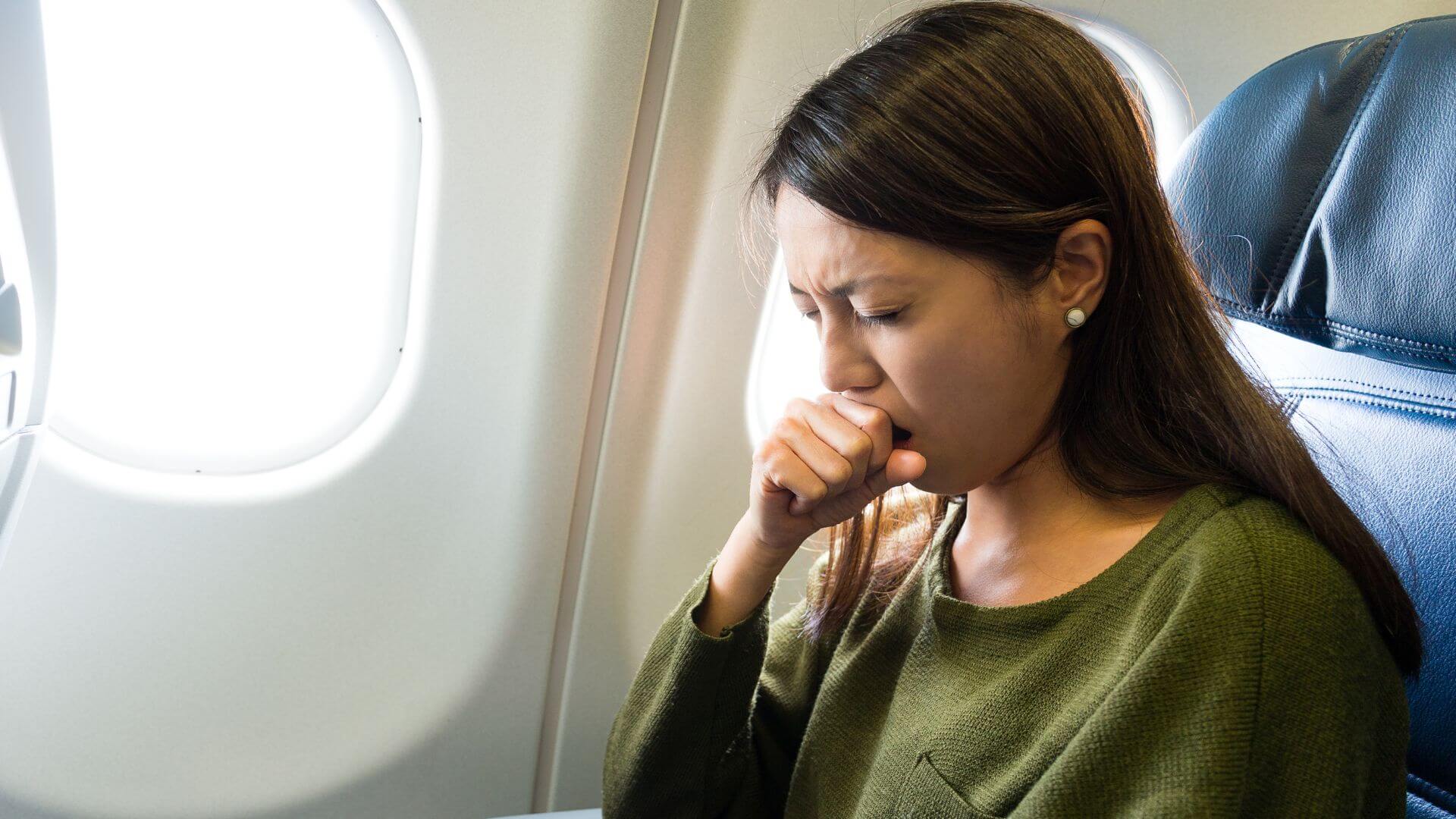
Motion sickness can turn a pleasant trip into a miserable one. Symptoms include nausea, dizziness, and a general feeling of discomfort. Take action by sitting in a stable part of the vehicle, such as the front seat of a car or the middle of a boat. Use over-the-counter medications like dimenhydrinate or meclizine. Ginger supplements or candies may also help. Keeping your eyes on the horizon and taking deep breaths can be useful. If you’re on a plane, try to choose a seat over the wings where there is less motion.
Flying also exposes you to dry cabin air, which can cause dehydration. Drink plenty of water before and during the flight to stay hydrated. Use a disinfectant wipe to clean the seat belt, tray table, and armrests to prevent skin rashes or infections from germs.
Don’t forget to stretch and move around during long flights to improve blood circulation and prevent cramps.
Recognizing Fever and Infectious Diseases
Fever can be a sign of several infectious diseases, such as malaria or dengue fever, both of which are spread by mosquitoes. Pay attention to symptoms like headache, muscle pain, and rashes. If you develop a high fever, seek medical attention immediately.
Preventive measures include using insect repellents, sleeping under mosquito nets, and wearing long sleeves and pants. In some regions, taking antimalarial medications before and during your trip may be advised. Keep an eye on travel advisories for the latest health recommendations and outbreaks.
Food and Water Safety
Unsafe food and water are common causes of travel-related illnesses. You should always consume food from safe and reputable sources. Avoid tap water in areas with questionable water quality. Opt for bottled or canned beverages and make sure the seals are intact.
Be cautious with street food and avoid raw or undercooked dishes, particularly seafood. Use bottled water to brush your teeth and avoid ice cubes, which might be made from contaminated water. Sanitize your hands frequently, especially before eating.
What to Do If You Get Sick While Traveling

What to Do If You Get Sick While Traveling
Traveling while sick is never ideal — but it’s also more common than most people expect. The key is to stay calm, act quickly, and use the resources available to you.
Addressing your health promptly can prevent a minor issue from becoming a major disruption to your trip.
Here’s how to handle it smartly.
Seek Medical Attention Promptly
If you begin feeling unwell, don’t ignore it.
For urgent concerns, go directly to the nearest medical facility. Most major cities and tourist destinations have reputable hospitals or private clinics experienced in treating international visitors.
In serious situations, emergency medical evacuation may be necessary. Medical evacuation services can transport you to a higher-level facility — sometimes even to another country — if adequate care isn’t available locally.
The Centers for Disease Control and Prevention (CDC) strongly recommends understanding your medical evacuation coverage before you travel. Standard health insurance often does not include international evacuation, and costs can be significant without proper coverage.
Preparation matters here.
Finding a Hospital or Clinic Abroad
Navigating healthcare in a foreign country can feel overwhelming — especially if there’s a language barrier.
Reliable ways to locate reputable medical care include:
-
Contacting the nearest United States Embassy or U.S. Consulate for a vetted list of local facilities
-
Using the directory from the International Association for Medical Assistance to Travellers (IAMAT), which connects travelers with English-speaking doctors worldwide
-
Asking your hotel concierge for recommendations (high-end hotels often maintain trusted medical contacts)
In many popular destinations, private hospitals and international clinics are specifically designed to treat foreign visitors and typically provide a high standard of care.
Pro tip: Save the names, addresses, and phone numbers of reputable hospitals in your destination before you travel. When you’re not feeling well, you won’t want to research from scratch.
Consider Telemedicine for Non-Urgent Issues
Not every illness requires a hospital visit.
Telemedicine can be a convenient and effective solution for non-emergency concerns such as mild infections, prescription refills, digestive issues, or travel-related discomfort.
Many insurance providers now offer virtual consultations. Through secure video calls, physicians can:
-
Assess symptoms
-
Recommend treatment
-
Issue prescriptions (depending on local regulations)
Telemedicine is especially helpful if you’re in a remote area or feeling too unwell to travel to a clinic immediately.
Before your trip, download and bookmark your insurance provider’s telehealth app or website. Having it ready can save time and stress when you need it most.
Travel Logistics When Dealing With Illness

Managing travel logistics when sick means making informed decisions to ease discomfort and ensure well-being. This includes adjusting travel plans, contacting airlines and hotels, and reaching out to local U.S. embassies.
Adjust Your Travel Plans
When you fall ill on a trip, reassessing your itinerary is crucial. First, pause your activities. Plans like tours and excursions can usually be either rescheduled or canceled.
Check your travel insurance policy to see if it covers cancellations due to health issues. Many policies do, allowing you to reclaim non-refundable costs. Contact your travel provider to understand what documents you need, such as a doctor’s note.
Making these adjustments promptly can help you avoid extra stress and ensure you have the proper arrangements for recovery.
Contact Your Airline and Hotel
If you need to delay or alter your flights, contact the airline as soon as possible. Explain your situation clearly. Many airlines will accommodate changes due to illness, potentially waiving fees or providing travel credits.
For your accommodations, reach out to the hotel to modify your booking. Hotels may offer extensions or allow you to check out later without extra charges. Share your health situation honestly to receive the best possible support.
Keeping open communication with both your airline and hotel is key to handling changes smoothly.
Reach Out to the Local U.S. Embassy
In serious cases where medical attention is required, contacting the local U.S. embassy can be invaluable. The embassy can help you find reliable healthcare services.
They may also assist in contacting family members, updating them on your situation, and helping with travel documentation if necessary. Embassy personnel can provide important information about local medical facilities and suggest steps to ensure your safety and comfort during your recovery.
Knowing that the embassy is there to support you can provide peace of mind in difficult times.
Also, stay connected with the Smart Traveler Enrollment Program (STEP) for up-to-date safety information relevant to your travels.
Hire Me as Your Personal Travel Advisor
Imagine you’re on your dream trip and suddenly feel under the weather. Beyond curating wondrous itineraries, I also help my clients ensure they will be able to get quick and reliable health care while traveling.
Travel insurance is key. I can guide you through selecting a policy that covers medical emergencies. This helps you avoid unexpected costs.
You might wonder what to pack for health emergencies. Together, we can create a list of essentials like medications, first-aid kits, and important documents.
I can provide up-to-date information on health risks and required vaccinations for your destinations.
Your safety is my priority. Contact me and travel with confidence, knowing help is just a call away.