

Seville, the capital of Andalusia, is a city where history and culture come alive in every street and plaza. Known for its stunning architecture, vibrant traditions, and lively atmosphere, Seville is a top destination for anyone looking to experience the heart of Spain.
This city has a unique way of blending the old with the new. You’ll find centuries-old cathedrals standing alongside modern tapas bars, and historic palaces just a stone’s throw from bustling markets. Whether you’re exploring the grand Real Alcázar or strolling through the charming streets of Barrio Santa Cruz, Seville offers something for every traveler.
In this guide, we’ll explore Seville’s key attractions, cultural highlights, and some hidden spots you won’t want to miss. Whether it’s your first visit or you’re returning to uncover more, this guide will help you make the most of your time in Seville.
You’ll Also Enjoy Reading:
Top Attractions in Seville
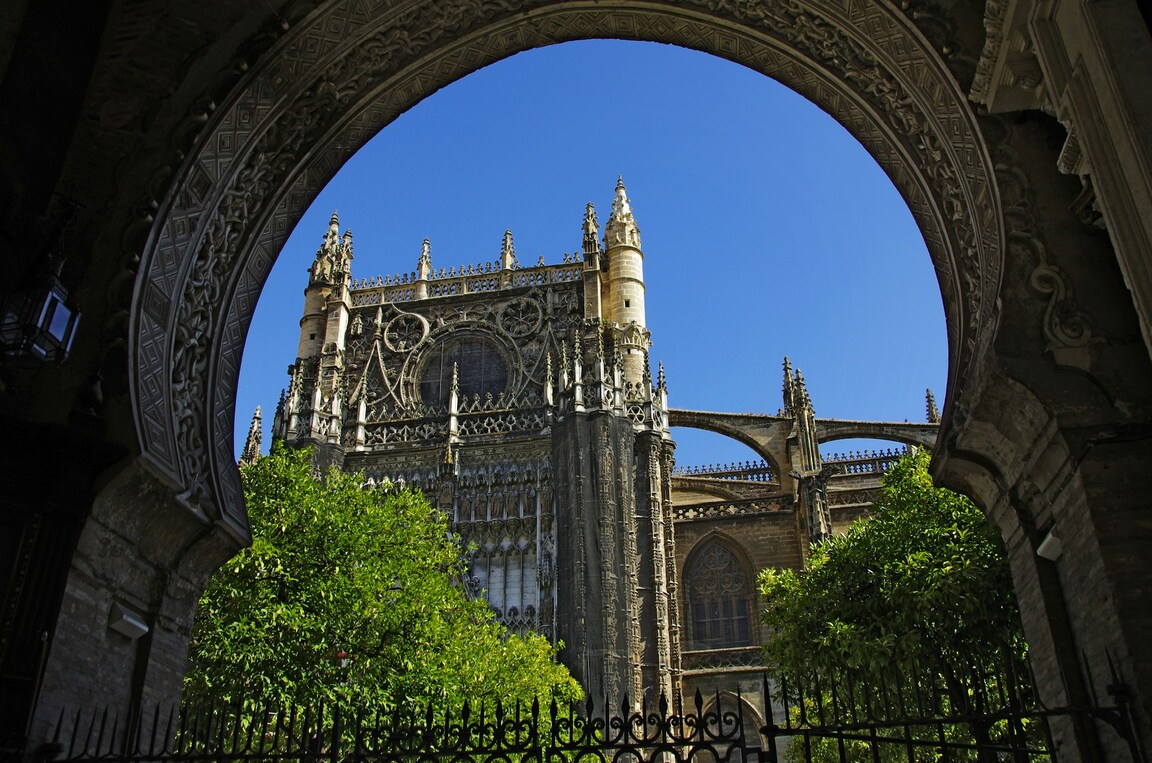
Seville Cathedral and La Giralda
The Cathedral of Seville is impossible to miss—both because of its scale and its significance. It’s the largest Gothic cathedral in the world and stands as one of the most important landmarks in Seville. The cathedral was built on the site of a former mosque, and you can still see traces of that history in the Moorish design elements woven into the architecture. Inside, soaring ceilings, ornate chapels, and intricate stonework make it one of the most impressive religious buildings in Spain.
Next to the cathedral rises La Giralda, the city’s iconic bell tower. Originally constructed as the mosque’s minaret, it now offers one of the best views in Seville. The climb to the top is surprisingly manageable thanks to a series of ramps rather than steep stairs, and the panoramic views over the city’s rooftops make the effort worthwhile.
If you’re visiting, try to arrive early in the morning or later in the afternoon to avoid the biggest crowds. Buying tickets online in advance can also save you a lot of waiting time. While you’re inside, don’t miss the elaborate tomb of Christopher Columbus and be sure to make the climb up La Giralda for those unforgettable city views.
Real Alcázar of Seville
The Real Alcázar is one of Seville’s most extraordinary sites and a designated UNESCO World Heritage site. What makes it so special is the blend of cultures reflected in its architecture. Originally built as a Moorish fortress in the 10th century, the complex evolved over centuries as Christian monarchs expanded and transformed it into a royal palace—one that is still used by the Spanish royal family today.
Visitors are often just as captivated by the gardens as by the palace itself. Shaded pathways, fountains, orange trees, and palm-lined courtyards create a peaceful retreat from the busy city outside the palace walls.
The Alcázar is extremely popular, so it’s best to reserve tickets in advance. If you’re interested in the deeper history and symbolism behind the design, a guided tour can add a lot of context to what you’re seeing.
Plaza de España
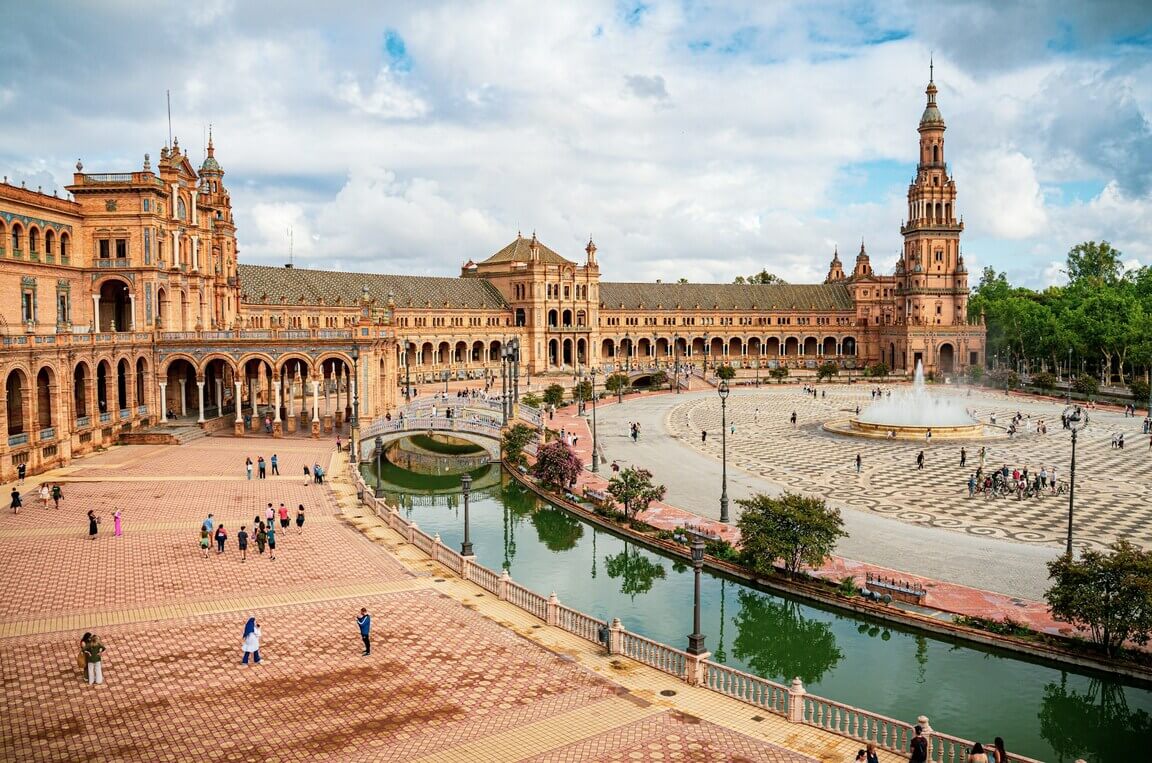
Few places capture the grandeur of Seville quite like Plaza de España. Built for the Ibero-American Exposition of 1929, the plaza features a sweeping semi-circular design surrounded by elaborate ceramic tilework representing Spain’s provinces.
The atmosphere here is lively but relaxed. Visitors stroll along the arcades, admire the colorful tiles, and watch performers and musicians who often gather in the plaza. A canal runs through the complex, and you can even rent a small rowboat to paddle beneath the decorative bridges.
Movie fans may recognize the setting as well—it has appeared in films like Star Wars Episode II: Attack of the Clones and Lawrence of Arabia.
For the best experience, visit early in the morning or later in the afternoon when the light is softer and the crowds are smaller.
You’ll Also Enjoy Reading: Photography Tips for Travelers
Metropol Parasol (Las Setas)
In the middle of Seville’s historic center, you’ll find one of the city’s most unexpected landmarks: Metropol Parasol. Locals often call it Las Setas, or “The Mushrooms,” because of its distinctive shape. Designed by Jürgen Mayer, the structure is the largest wooden architectural installation of its kind in the world.
What makes Las Setas interesting is how it contrasts with Seville’s traditional architecture. Beneath the structure, you’ll find a market and an archaeological museum displaying Roman and Moorish remains discovered during construction. Above it all is an elevated walkway that offers sweeping views across the rooftops of Seville.
Sunset is the best time to visit, when the city glows in warm light and the skyline stretches out in every direction.
Museo del Baile Flamenco
If you want to understand the soul of Seville, spend some time learning about flamenco. The Museo del Baile Flamenco is dedicated entirely to this passionate art form and offers an engaging introduction to its history and cultural significance.
The museum combines exhibits with live performances, making the experience much more immersive than a traditional museum visit. You can explore displays about flamenco’s different styles, costumes, and musical traditions before watching dancers bring the art form to life during an intimate evening performance.
Tickets for the nightly shows often sell out, so booking ahead is a smart idea.
Barrio Santa Cruz
Barrio Santa Cruz, Seville’s former Jewish quarter, is one of the most atmospheric areas in the city. Its narrow streets wind past whitewashed buildings, flower-filled balconies, and quiet plazas that feel almost hidden from the outside world.
The best way to experience the neighborhood is simply to wander. Around almost every corner you’ll find a charming square or a small café perfect for a break. Keep an eye out for tucked-away spots like Plaza de Doña Elvira, where orange trees and tiled benches create a peaceful escape from the busier streets.
Early morning and late evening are the best times to explore, when the crowds thin out and the neighborhood feels especially magical. It’s also a wonderful place to stop for tapas at one of the many traditional bars scattered throughout the area.
Exploring Seville’s Culture
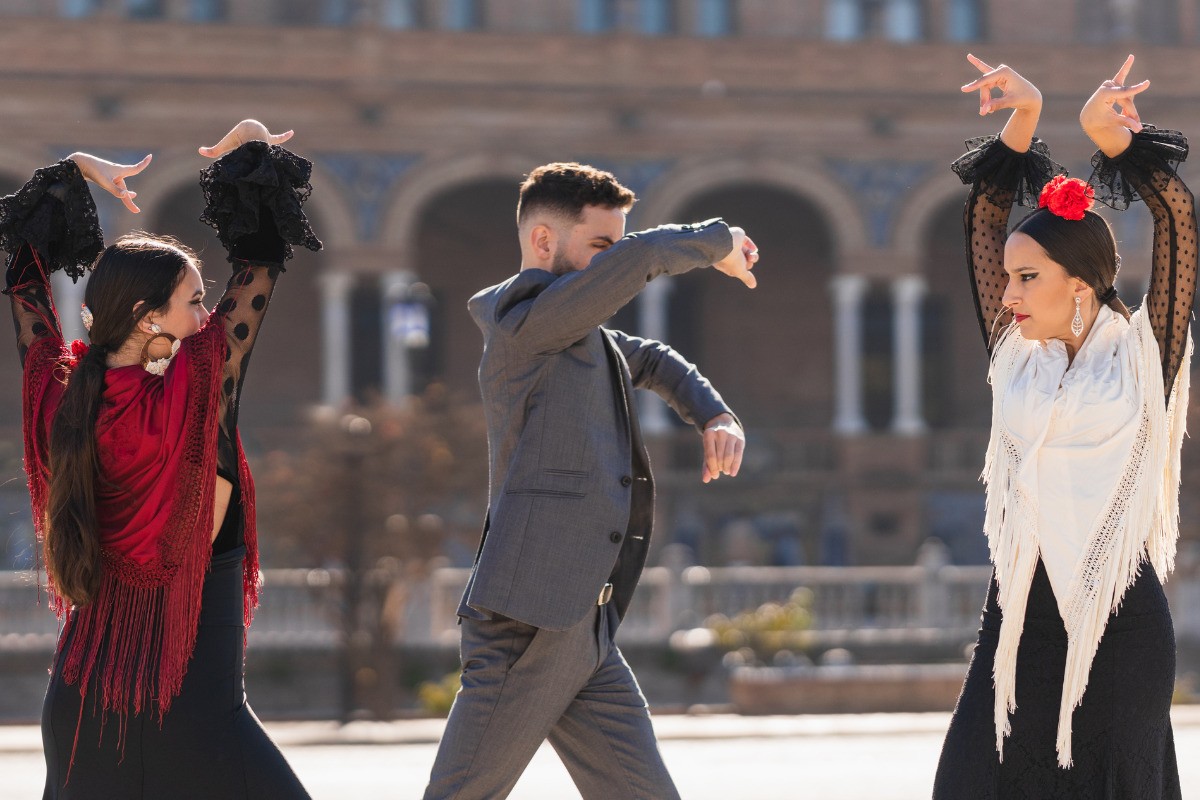
Flamenco
Flamenco is the soul of Seville; raw, emotional, and impossible to forget. In intimate spots like La Carbonería, you’ll feel the music up close: the singer, the guitar, the dancer, and the audience all feeding off each other. For a more formal, traditional evening, Casa de la Memoria puts on carefully staged performances that still capture flamenco’s intensity. If your visit coincides with the Bienal de Flamenco, plan ahead. It’s the best place to see top artists from Spain and beyond. A few practical notes: book the evening shows in advance, avoid flash photography, and remember that applause and vocal encouragement are part of the experience — but try to stay present and listen closely; the subtlety is where the magic lives.
Related: Enjoying Fado Performances in Portugal
Tapas Culture
Tapas in Seville are more than food — they’re a way to move through the city. Start historic at El Rinconcillo for a taste of classic Andalusian plates, swing by Bar Eslava for inventive, award-winning bites, and tuck into La Brunilda when you want modern tapas with a twist. The local rhythm is simple: order several small plates to share, pair them with a drink, and move on when you’ve had enough — or stay and chat. Standing at the bar is the most authentic way to eat, staff love recommending off-menu items, and trying jamón ibérico, patatas bravas, and tortilla española is non-negotiable.
Seville’s Festivals
Seville’s festivals are where tradition becomes theatre. Semana Santa is solemn and spectacular — plan for crowds, dress respectfully, and book a good viewing spot if you want up-close processions. Two weeks later, the mood flips for Feria de Abril, a week of dancing, casetas, horses, and fireworks; most casetas are private, but public tents welcome visitors and the atmosphere is infectious. If you’re timing a trip around either event, book accommodations and any special access well in advance — these are the city’s busiest, most unforgettable weeks.
You’ll Also Enjoy Reading: Planning Ahead with a Travel Calendar
Day Trips from Seville
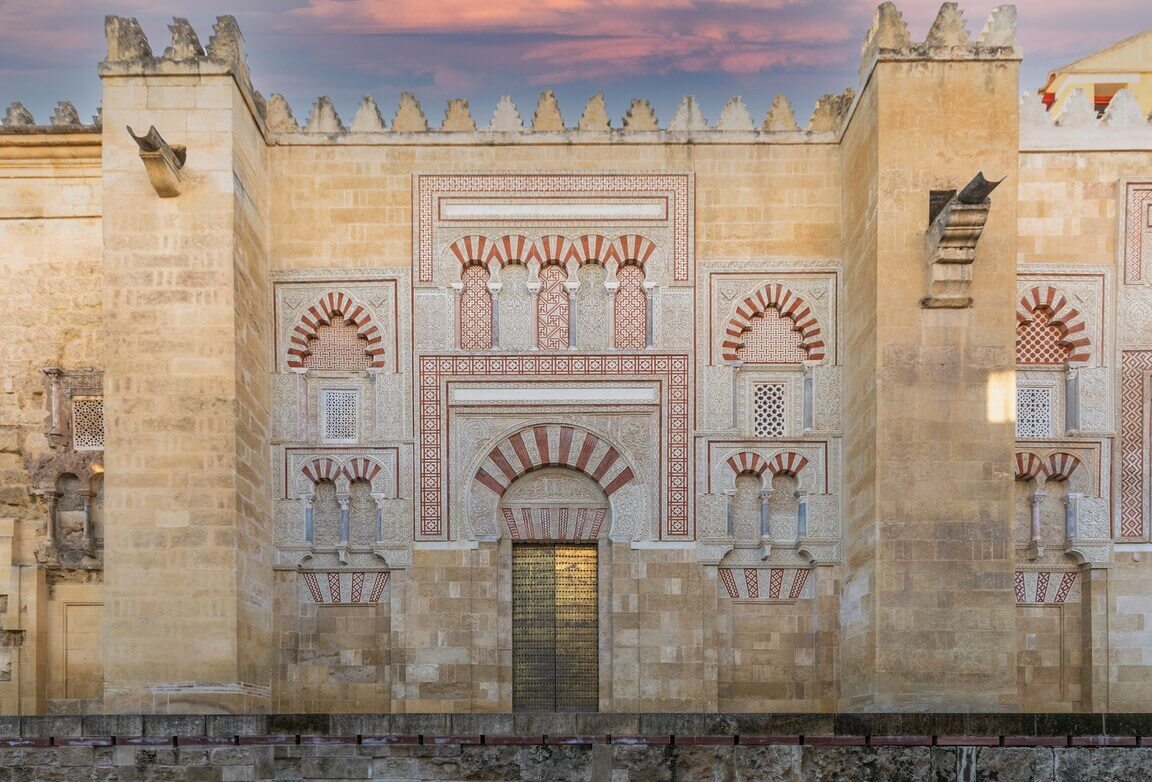
Seville’s central location in Andalusia makes it an ideal base for exploring some of southern Spain’s most captivating destinations. Whether you’re after Moorish history, dramatic landscapes, or coastal relaxation, each of these day trips delivers something different — and easy to reach from Seville.
Córdoba
A short train ride will take you to Córdoba, where the past feels very present. The star attraction is the Mezquita-Catedral de Córdoba — its red-and-white arches and dazzling prayer hall are unforgettable. After the Mezquita, lose yourself in the narrow lanes of the Judería (Jewish Quarter), and don’t skip the gardens and fortress at the Alcázar de los Reyes Cristianos. Practical tip: take the early train to beat the heat and crowds, and wear comfortable shoes for cobbled streets.
Ronda
Perched above a dramatic gorge, Ronda feels like a different world. Walk across the iconic Puente Nuevo for jaw-dropping views, then explore the old town on the far side of the gorge. History buffs should visit the elegant Plaza de Toros de Ronda — one of Spain’s oldest bullrings — even if you’re just interested in the architecture and museum. If you love walking, there are great trails around the gorge; the spring and fall offer the best weather for exploring.
Jerez de la Frontera
If wine and equestrian culture appeal to you, head to Jerez de la Frontera. Tour historic bodegas like González Byass or the iconic Tío Pepe for a sherry tasting and a peek at how these fortified wines are made. For a very Andalusian experience, book a performance at the Royal Andalusian School of Equestrian Art to see horsework that’s part ballet, part pageant. Tip: trains and drives are both convenient — plan a tasting in the morning and an equestrian show in the afternoon.
Cádiz
For a taste of the Atlantic, spend a day in Cádiz. Its compact old town is a joy to wander, and the distinctive dome of the Cádiz Cathedral is a handy landmark. When the weather cooperates, relax at La Caleta Beach — it’s small, scenic, and perfect for a quick swim or sunset. Cádiz is also a seafood lover’s paradise: try pescaíto frito (fried fish) or the local shrimp fritters. If you time it right, the vibrant Carnival of Cádiz in February is an unforgettable cultural explosion, but it’s also the busiest time to visit.
Practical Travel Tips
When visiting Seville, a few practical tips can make your trip smoother and more enjoyable. From navigating the language barrier to understanding local customs, here’s what you need to know.
Language Tips
While many people in Seville speak some English, knowing a few basic Spanish phrases can go a long way in enhancing your travel experience. It’s also a sign of respect that locals appreciate.
Common Spanish Phrases:
- Hola: Hello
- Gracias: Thank you
- Por favor: Please
- ¿Dónde está…?: Where is…?
- La cuenta, por favor: The bill, please
Money Matters
Understanding how money works in Seville will help you avoid unnecessary hassles and enjoy your trip without financial worries.
Currency Exchange and ATMs:
- Currency: Spain uses the Euro (€). It’s a good idea to exchange some money before you arrive, but ATMs are widely available in Seville for cash withdrawals.
- ATMs: Most ATMs accept international cards, but be aware of any fees your bank might charge for foreign transactions.
- Credit Cards: Credit and debit cards are widely accepted, but it’s always handy to have some cash, especially for small purchases or in more traditional establishments.
Tipping Customs:
- Restaurants: Tipping is not obligatory in Spain, but leaving a small amount (5-10%) for good service is appreciated.
- Taxis and Bars: It’s common to round up the fare or leave the change.
- Hotels: A small tip for housekeeping is a nice gesture, especially if you’ve had an extended stay.
Getting Around Seville
Seville is a city best explored on foot, but there are also other convenient ways to get around.
Walking:
- City Layout: Seville’s historic center is compact, and many of the main attractions are within walking distance of each other. Wear comfortable shoes and enjoy wandering through the charming streets.
- Pedestrian Areas: Many parts of the city center are pedestrian-only, which makes walking even more enjoyable.
Renting Bikes:
- Cycling: Seville is bike-friendly, with many dedicated bike lanes and rental services available. Renting a bike is a great way to cover more ground while enjoying the city at your own pace.
- Sevici: The city’s public bike-sharing program, Sevici, offers a convenient and affordable way to rent bikes for short trips.
Safety Tips
Seville is generally a safe city, but like any popular tourist destination, it’s important to stay vigilant.
Staying Safe in Crowded Places:
- Watch Your Belongings: Keep an eye on your personal items, especially in busy areas like markets, tourist attractions, and public transport.
- Secure Your Bag: Use a crossbody bag that zips closed, and keep it in front of you.
Avoiding Common Scams and Pickpockets:
- Be Cautious: Be wary of strangers offering help or asking for donations. Politely decline and walk away if something feels off.
- Pickpockets: Common tactics include creating a distraction or working in pairs. Stay alert and don’t carry all your valuables in one place.
You’ll Also Enjoy: Safest Cities For Solo Female Travelers
Final Thoughts
Seville is a city that captivates the senses with its rich history, vibrant culture, and undeniable charm. Whether you’re exploring its magnificent landmarks, immersing yourself in flamenco, or simply savoring tapas at a local bar, Seville offers an experience that stays with you long after you’ve left.
Planning a trip can be overwhelming, especially when you want to make the most of every moment. That’s where I come in. As a seasoned travel advisor, I specialize in crafting personalized itineraries that go beyond the guidebooks, ensuring you experience Seville in a way that’s uniquely yours. From securing the best accommodations to organizing exclusive experiences, I’m here to take care of the details so you can focus on enjoying your journey.
Ready to make your dream trip to Seville a reality? Let’s start planning your unforgettable adventure today. Reach out to me, and together we’ll create a travel experience that’s tailored just for you.