
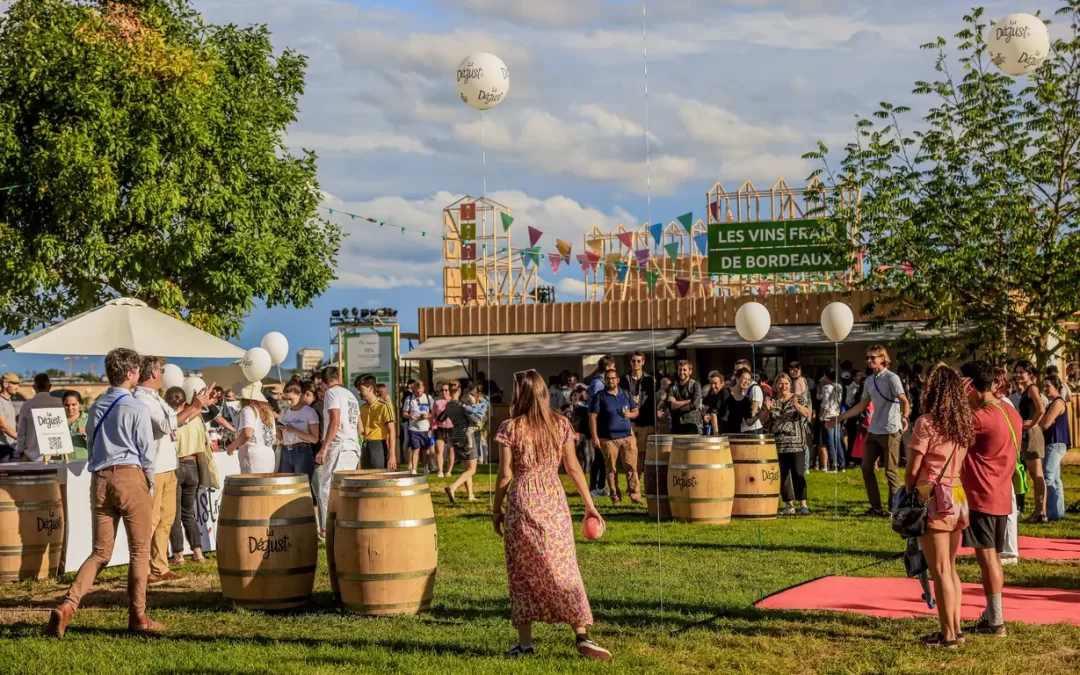
The good news? Many of these festivals still have spaces if you act quickly. This post is a practical playbook: pick a festival type that excites you, find events that match your travel window and budget, and use the mini-itineraries and booking tips to actually get there. If you prefer to skip the logistics, a travel advisor can stitch everything together—tickets, transfers, and the all-important chef’s-table reservation.
Truffle Markets
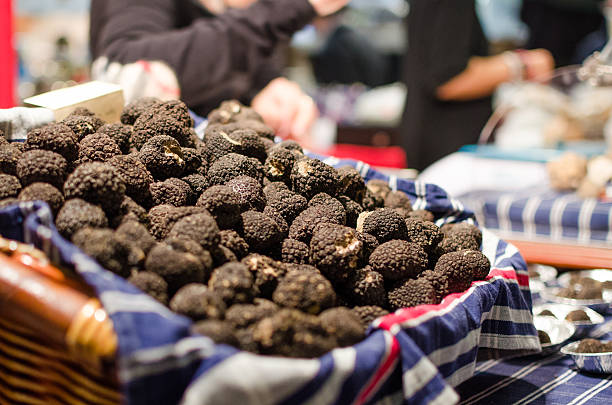
If fall has a single, unmistakable scent, it’s truffle dust in the air. Walk into a Piedmont market during white-truffle season and that musky, heady aroma grabs you like a promise: dinner will be exceptional. Truffle markets are equal parts theater and education—local hunters with their dogs, piles of tubers glinting in the light, producers selling truffle oils and pastes, and chefs ready to shave slivers over fresh pasta on the spot.
Why go:
- White truffles (Tuber magnatum) are rare, explosive in aroma, and command a cult-like following—Alba’s market is the crown jewel. Black truffles (summer and winter varieties) show up in other regions and offer excellent value and flavor. Beyond Piedmont and Tuscany, smaller fairs and regional markets let you taste truffles in simple, delicious ways: scrambled eggs, risotto, or a warmed slab of buttered bread with shaved truffle.
Best time to visit:
- October–November for white truffle season in northern Italy (Alba).
- Late autumn to winter for various black truffle events across Italy, Spain, and parts of France. (If you prefer fewer crowds, target mid-October weekdays or early November.)
Tips for the Best Experience:
- Reserve a truffle-hunt and tasting rather than relying on market day stalls alone. Use licensed truffle-hunters and handlers. Unregulated picking damages ecosystems and undercuts local communities. Small-group hunts (6–10 people) sell out fast—book months ahead for prime dates. I’ve seen travelers miss hunts because they waited until the weekend before; don’t be that person.
- Book a chef’s table or truffle-tasting dinner the same week as the market. Restaurants often curate menus around the market’s haul—if you time it right, the chef may use tubers sourced that morning.
- Stay in an agriturismo or boutique B&B near the market town. It’s quieter, more authentic, and often more value-oriented than city hotels when festival crowds spike.
- Hire local guides who can translate, recommend non-touristy stalls, and secure last-minute tickets or small private tastings. If shopping by yourself, don’t buy truffle blends that claim to be real truffle if the price is suspiciously low—real white truffles are expensive for a reason. Buy from established stalls, enotecas, or producers with clear provenance.
Chestnut & Autumn Nut Festivals
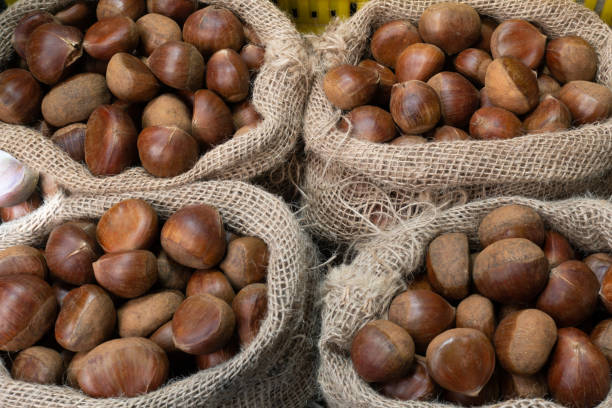
There’s something deeply communal about chestnut season: village squares filling with smoke, families turning out with small coin purses, and booths selling warm, paper-wrapped chestnuts that steam between your fingers. These festivals are less about flash and more about ritual—generations gathering to celebrate a single, humble crop that feeds villages all winter. Expect rustic desserts, chestnut flour breads and pasta, roasted nuts sold by the kilo, and street-food stands serving everything from chestnut soup to boozy chestnut cakes.
Why go:
- It’s an authentic, low-key slice of local life: communal roasts, folk music, and stalls run by families who’ve been doing this for decades.
- Culinary treats you won’t find in restaurants: fresh marrons glacés, castagnaccio (chestnut cake), chestnut honey, and handmade chestnut pasta.
- Great for slow travel—these festivals invite lingering, conversations, and wandering the surrounding countryside.
Where to look:
- Tuscany & Umbria (Italy) — hilltop villages host chestnut sagre (festivals) throughout October and early November.
- Portugal’s mountain towns — Serra da Estrela and other ranges celebrate with chestnut roasts, vinho novo (new wine), and local cheeses.
- Japan’s countryside — regional autumn festivals often feature roasted chestnuts and chestnut sweets (kuri), paired with seasonal festivals and temple markets.
Best time to go:
- Mid-October to early November is prime chestnut season across Europe. In Japan, many chestnut festivals pop up through October and into November, depending on the region and harvest timing.
Tips for the Best Experience:
- Think local, think small: these are low-tech events—many don’t list tickets online. Book your accommodation early in the nearest town; locals often book rooms for visiting relatives months ahead.
- Check market days locally: village sagre can change dates based on harvests or weather. Contact your hotel or personal travel advisor a week before arrival to confirm.
- Travel light and be flexible: you’ll often be eating street food—wear layers, bring a small backpack for purchases, and be ready to walk uneven, sometimes muddy paths.
- Culinary pairings: chestnut cakes and roasted nuts go beautifully with a glass of local new wine or a warming fortified wine—ask vendors for recommendations.
- Learn a handful of local phrases—“thank you,” “how much,” and “delicious” go a long way.
Wine & Harvest Festivals
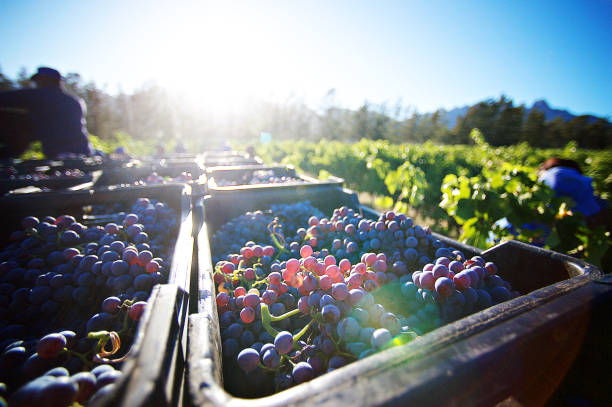
If you love wine culture, a harvest festival is where the craft becomes communal—workdays turn into feasts, and you get to taste the season before the year’s wine even settles. Whole towns turn out to stomp grapes, cellar doors open for first-press tastings, and long, family-style harvest dinners spill into the night
Why go:
- Join grape stomps and vendimia parades, sample the first-pressed must, and eat at harvest dinners where the food is made to match the vintage being born that day. These festivals put you inside the winemaking calendar—learning how a season’s weather shows up in the glass, not just tasting finished bottles.
Best time to go:
- Northern Hemisphere (Spain, France): generally September–October, though exact timing depends on the vintage.
- Southern Hemisphere (Argentina—Mendoza): the harvest happens in March–April, when Mendoza hums with vendimia celebrations.
Where to look:
- Spain: La Rioja and Ribera del Duero for classic Spanish reds and village harvest fêtes.
- France: Bordeaux for grand châteaux events, Beaujolais for the youthful, exuberant Beaujolais Nouveau celebrations.
- Argentina: Mendoza’s vendimia festival is theatrical—think parades, crowning of the harvest queen, and multi-course harvest dinners under the Andes.
Tips for the Best Experience:
- Choose your style: big, town-wide vendimias (parades, concerts, street parties) for atmosphere; small family estates for hands-on tastings and intimate cellar chats.
- Mind the seasonality: expect dusty fields, sticky shoes, and long, joyful meals. Wear breathable layers and shoes you don’t mind getting a little grape-smudged.
- Learn the local etiquette: in some places, you’ll be expected to join the fun on the crush pad; in others, observation is preferred—follow the winery’s lead. If you’re invited to participate in picking or stomping, do so with humility and gratitude—not as entertainment.
- Pairings and palate practice: harvest dinners are designed to show off the season’s wines—ask sommeliers why certain dishes match that year’s tannin or acidity profile.
- Tip locally for guides and cellar staff when appropriate; small estates rely on that income during harvest.
Apple, Cider & Pumpkin Celebrations
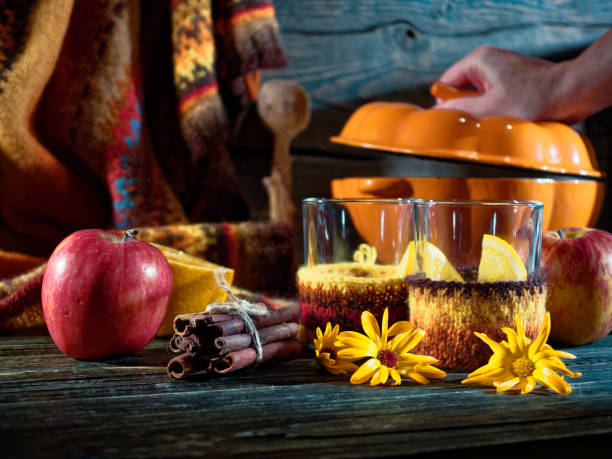
Autumn and apples go together like sweaters and warm drinks: crisp mornings, orchards full of fruit, and the smell of pies and wood smoke drifting through village lanes. Apple- and cider-focused festivals are equal parts food scene and family theatre—think farm-to-table pies, cider tastings that show off surprising terroir, pumpkin-carving contests, tractor rides, and long communal tables piled with seasonal dishes.
Why go
- Taste the season: fresh-pressed cider, warm apple pies, donuts dusted with cinnamon, and regional specialties you won’t find in a supermarket.
- Family-friendly fun: apple-picking, hay bales, pumpkin patches, and hands-on workshops for kids.
- Local flavor: meet orchardists, learn about heirloom apple varieties, and see how fruit becomes juice, vinegar, or preserves.
Best time to go
- September–October is the sweet spot across New England, the UK, and much of Europe—timing shifts slightly by latitude and microclimate, so check local harvest reports for peak picking weeks.
Where to look
- New England (USA): Vermont, New Hampshire, Massachusetts, and parts of upstate New York for classic fall-festival scenes and sprawling orchards.
- Herefordshire & West Country (UK): historic apple-growing regions with cider-focused events and farm feasts.
- Rural orchards across Europe: from Normandy’s cider houses to smaller family farms offering pick-your-own experiences.
Tips for the Best Experience:
- Avoid the weekend crush: festivals and pick-your-own slots fill fast on Saturdays and Sundays. If your schedule allows, choose a weekday morning for a quieter, more relaxed visit.
- Reserve cider tastings and farm dinners in advance. Small artisan cider houses and chef’s tables often run limited seatings—book early if you want a curated tasting or harvest dinner.
- Plan transport if you’ll be tasting. Local taxis and shuttle services are common at larger festivals; if none exist, prebook a driver or join a guided tasting tour so everyone stays safe.
- Bring the right kit: sturdy shoes for orchard rows, a reusable tote for purchases, cash for small vendors, and layered clothing—early mornings can be chilly, afternoons surprisingly warm.
- Ask about accessibility and allergies. Orchards vary in terrain; check paths for strollers/wheelchairs and ask kitchens about nut/dairy ingredients if someone in your group has allergies.
Mushroom & Foraging Festivals
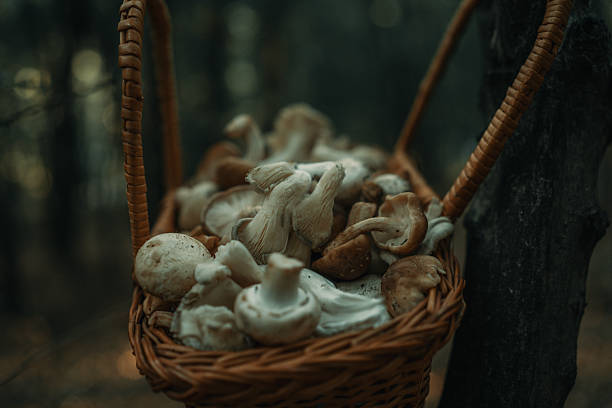
Foraging festivals turn the forest into a classroom and a tasting menu. Imagine stepping beneath a damp canopy, the smell of earth and pine all around, while a chef points out chanterelles hiding under ferns or a mycologist teases apart a specimen to show its gills. Then you sit down to a tasting of freshly foraged mushrooms—simple sautéed chanterelles, a ragù with porcini, or a wild-mushroom toast that tastes like the forest itself. That combination of hands-on learning and immediate, delicious payoff is what makes these events so addictive.
Why go
- Hands-on learning: chef-led foraging walks teach ID basics, sustainable harvest techniques, and which habitats to favor.
- Taste the forest: many festivals pair walks with curated tastings and cooking demos so you see (and taste) the full journey from field to plate.
- Conservation & science: talks from mycologists and conservationists explain fungi’s critical role in ecosystems and local efforts to protect habitats.
Best time to go
- Late summer through autumn (August–November) is prime across temperate zones—moisture and cool nights encourage fruiting. In the Pacific Northwest, peak runs often land between September and November after autumn rains. In Europe, timing varies by microclimate but generally clusters in September–November as well.
Where to look
- Pacific Northwest (USA): mossy conifer forests and mixed woodlands produce chanterelles, king bolete/porcini, and more. States like Oregon and Washington host well-regarded foraging weekends and mushroom festivals.
- Europe: chestnut- and beech-lined forests across parts of Eastern and Western Europe (Italy, France, Poland, Romania) hold long standing foraging traditions and seasonal fairs.
Tips for the Best Experience:
- Book the foraging walk—not just the fair. Walks and small-group excursions sell out quickly and often cap at low numbers for safety and minimal impact.
- Bring ID tools and gear: a field guide (region-specific), a small knife, a shallow basket or mesh bag for spore dispersal, and breathable, waterproof footwear.
- Dress for the forest: long sleeves, gaiters, insect repellent, and layers—that damp understory can be chilly even on mild afternoons.
- Plan for food safety: never eat a wild mushroom unless an expert has confirmed it. Festivals usually have vetted tastings; don’t sample found specimens without expert prep.
Cheese, Dairy & Harvest Food Fairs
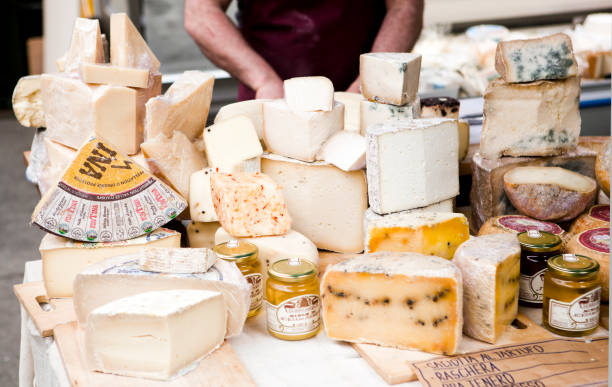
If autumn has a comfort food, it’s cheese. From nutty alpine wheels to creamy blues, cheese and dairy festivals are where tradition, craft, and indulgence meet. These fairs are more than markets—they’re celebrations of local identity, where cheesemakers proudly showcase their wheels, wedges, and curds alongside seasonal breads, wines, and even ciders.
Why go
- Meet artisan producers and hear the stories behind their craft.
- Sample pairings you might not expect—like chestnut honey drizzled over aged pecorino, or cider with farmhouse cheddar.
- Watch live demonstrations of traditional techniques, from stretching mozzarella to aging methods passed down through generations.
Where to look
- Bra, Italy – Home to Slow Food’s famous cheese fair, a bucket-list event for any serious cheese lover.
- France – Wander small-town markets where locals celebrate regional specialties, from pungent Roquefort to mild, fresh chèvre.
- UK – County shows often dedicate entire sections to cheese and dairy, with competitions, talks, and plenty of samples to go around.
Tips for the Best Experience:
- Prebook tastings & masterclasses — they’re small and fill fast; book weeks (often months) ahead.
- Arrive early for the best stall picks and quieter tasting times.
- Bring a small cooler bag if you plan to buy cheese to take home; many producers will pack safely for travel.
- Ask about shipping—many artisan cheesemakers can ship bottles/wheels home at reasonable rates.
- Stay nearby in an agriturismo or inn for easy access and the best farm-to-table meals.
- Check local rules on raw-milk cheeses (some regions restrict sales/shipping) so you’re not surprised at the counter.
Specialty Local Picks (Surprising Gems)
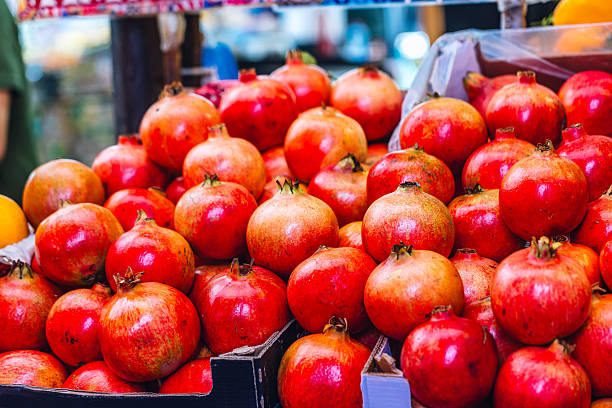
Beyond the big-name harvest festivals, autumn holds space for smaller, deeply rooted traditions that reveal the heart of a community. These specialty events often highlight ingredients tied to local identity, offering travelers an intimate look at cultural heritage without the tourist crowds.
Why go
- Celebrate the pomegranate harvest in Mediterranean and Middle Eastern villages, where the fruit is pressed, cooked, and honored in folklore.
- Witness saffron harvests in Spain or Iran, where delicate threads are gathered by hand and celebrated with food and ceremony.
- Experience rustic game-meat feasts that connect seasonal hunting traditions with village hospitality.
Where to look
- Pomegranate festivals – Rural Mediterranean towns and Iranian countryside.
- Saffron harvests – Castilla-La Mancha (Spain) and select regions of Iran.
- Game-meat fairs – Central and Eastern Europe, often linked to autumn hunting season.
Tips for the Best Experience:
- These are often community-run, with limited information online. A local guide or travel advisor can help navigate schedules, language barriers, and ensure you’re welcomed as a guest rather than just a spectator.
- Be flexible and curious—last-minute harvest dinners are common and often the most authentic.
- Respect local customs (gifts, dress, mealtime norms) and come ready to participate, not just observe.
- Carry small cash—many rural vendors prefer it and some events are cash-only.
Conclusion – Tasting Autumn Around the World
From chestnuts roasted in Tuscan villages to grape stomps in Mendoza, autumn festivals are as much about community as they are about food. They capture the rhythm of the seasons—when harvests are celebrated, traditions are shared, and travelers are invited to gather around the table.
If you’re inspired to experience these flavors firsthand, consider hiring me as your personal travel advisor. I’ll help you find the right festivals, secure the best stays nearby, and handle all the logistics so you can simply savor the moment. Whether it’s a rustic countryside fair or a chef-led seafood feast by the coast, your autumn journey can be as seamless as it is unforgettable.