
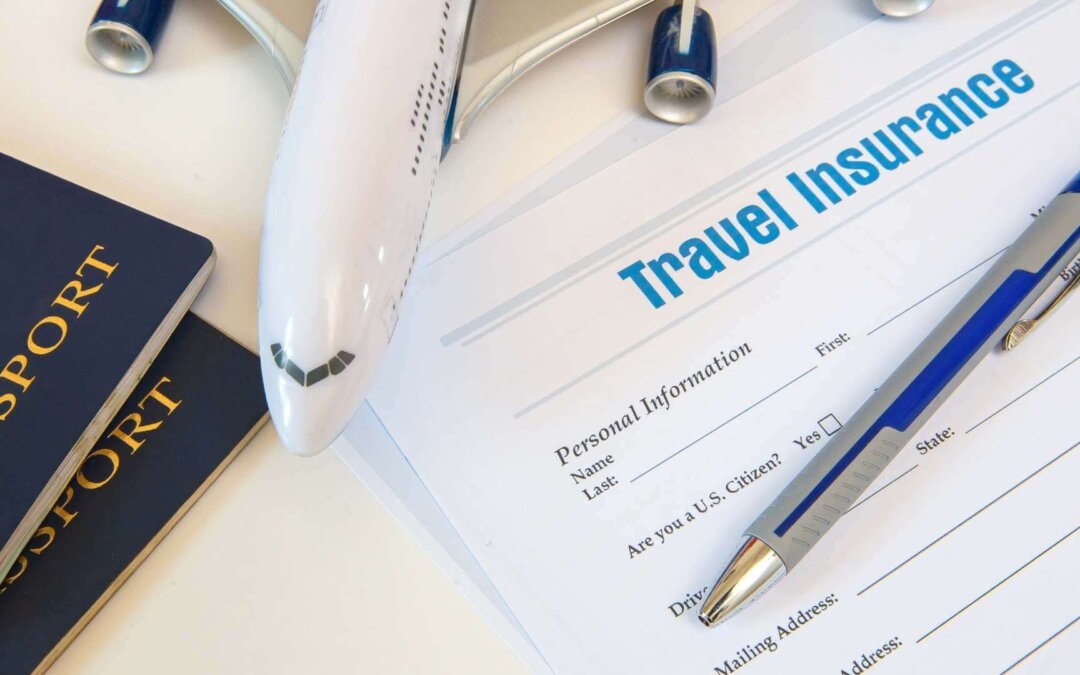
When most travelers think of travel insurance, they picture medical emergencies or trip cancellations — but true coverage goes far beyond that. The reality is that not all travel insurance policies are created equal. Some offer only basic medical coverage, while others provide a safety net that can protect almost every aspect of your trip, from flight delays and lost luggage to natural disasters and political unrest.
A comprehensive travel insurance plan is designed to do more than reimburse you when something goes wrong. It’s meant to keep your trip on track when the unexpected happens. Whether you’re navigating a missed connection in Paris, a medical emergency in Bali, or a weather delay in New York, having the right protection can make all the difference between a stressful setback and a manageable inconvenience.
In this guide, I’ll break down the ten essentials every traveler should look for in a comprehensive travel insurance policy. These are the features that separate minimal coverage from meaningful protection — the kind that gives you confidence to explore freely, knowing that someone’s got your back no matter where you go.
1. Trip Cancellation Coverage
Trip cancellation is one of the most common and most valuable features of any comprehensive travel insurance plan. It reimburses you for prepaid, non-refundable expenses if you’re forced to cancel your trip for a covered reason before departure.
Covered reasons often include unexpected illness or injury (to you or a close family member), severe weather, jury duty, or even your travel supplier going out of business. If you’ve already paid for flights, hotels, or tours, this coverage ensures you don’t lose your entire investment when plans fall apart through no fault of your own.
It’s worth noting that every insurer defines “covered reasons” differently. Some policies stick to a strict list of events, while others offer broader protection through “Cancel for Any Reason” (CFAR) upgrades, which typically reimburse 50–75% of your trip costs, no matter why you cancel. CFAR can be an excellent choice for travelers who want maximum flexibility in unpredictable times.
2. Trip Interruption Coverage
If trip cancellation covers what happens before your journey, trip interruption steps in after you’ve already left home. It reimburses you for the unused portion of your trip and the additional expenses you incur if you’re forced to cut your travels short due to a covered reason.
Common triggers include a family emergency, sudden illness or injury, natural disasters, or political unrest at your destination. For example, if a hurricane shuts down your resort halfway through your vacation, trip interruption coverage can refund the unused hotel nights and help pay for your emergency flight home.
This coverage is particularly valuable for long or expensive trips where the financial loss of an early return could be significant. It can also cover the cost of rejoining a guided tour later if you miss part of the itinerary due to a covered event.
When comparing policies, pay attention to the maximum payout limit and how “interruption” is defined. Some plans may only reimburse transportation costs, while others include lodging, meals, and prepaid excursions.
3. Trip Delay Coverage
Even the best-laid travel plans can unravel when flights are delayed, connections are missed, or weather grounds planes for hours or days. That’s where trip delay coverage comes in.
This benefit reimburses you for the reasonable expenses you rack up during a covered delay, such as hotel stays, meals, and transportation. It typically applies when your trip is delayed by a minimum number of hours (often 6–12, depending on the policy). For example, if a storm keeps you stuck overnight at an airport, your insurance could cover the cost of a nearby hotel and dinner.
Some policies also cover additional transportation costs if you need to catch up to your cruise or tour group after a missed departure.
When reviewing coverage, look closely at three things:
- The minimum delay threshold — how long you must be delayed before benefits kick in.
- The per-day and total limits — how much you can claim for lodging and meals.
- Documentation requirements — you’ll likely need proof from your airline or transportation provider to file a successful claim.
4. Medical Coverage
Medical coverage is arguably the most critical part of any travel insurance plan, especially when you’re heading abroad. Most domestic health insurance policies provide little or no protection outside your home country, leaving you responsible for potentially enormous medical bills if you fall ill or get injured overseas.
Comprehensive travel medical coverage takes care of hospital stays, doctor visits, diagnostic tests, and prescribed medications. Many policies also include coverage for COVID-19 and other infectious diseases, though it’s always wise to confirm that explicitly before you buy.
Pay close attention to two key details:
- Coverage limits: Medical expenses can climb quickly, so aim for at least $100,000–$250,000 in coverage for international trips.
- Exclusions and pre-existing conditions: Most insurers exclude conditions diagnosed or treated within a certain window before your departure, unless you purchase a waiver or higher-tier plan.
For travelers venturing to remote areas or destinations with limited healthcare infrastructure, consider policies that offer medical evacuation coverage as well (I’ll cover that next).
5. Emergency Medical Evacuation and Repatriation
When a serious injury or illness strikes far from home, standard medical coverage isn’t always enough. That’s where emergency medical evacuation and repatriation coverage becomes essential.
This benefit pays for transportation to the nearest appropriate medical facility or, in extreme cases, for your return home once you’re stable enough to travel. Without it, evacuation costs can easily reach tens of thousands of dollars, especially if an air ambulance or medical escort is involved.
For example, if you break a leg while hiking in the Alps, this coverage ensures you’re flown to a hospital equipped to treat you, not left footing the bill for a costly helicopter evacuation. Repatriation benefits can also include the return of remains in the unfortunate event of death abroad — a detail no one wants to think about, but one that brings real peace of mind to families.
When evaluating this section of your policy, check:
- Coverage limits (look for at least $250,000–$500,000).
- Who decides the evacuation location? Some insurers require you to use their assistance network.
- Whether family travel is covered if a companion needs to accompany or visit you during hospitalization.
6. Baggage Loss and Delay Coverage
Lost luggage is more than an inconvenience — it can derail your trip before it even begins. That’s why baggage loss and delay coverage is another key part of comprehensive travel insurance.
If your bags are lost, stolen, or damaged, this coverage reimburses you for the value of your belongings (up to policy limits). If your luggage is delayed, you can buy essential items like clothing, toiletries, or medications while you wait for your bags to arrive.
For instance, if your suitcase ends up in another country and you need to attend a business meeting the next day, baggage delay coverage can cover the cost of a new outfit and basic necessities.
Here’s what to check before relying on it:
- Coverage limits: Most policies cap reimbursement at $500–$2,500 for lost items and $100–$300 per day for delays.
- Item caps: High-value items like jewelry, electronics, and cameras often have lower sub-limits unless you purchase extra coverage.
- Claim requirements: Always file a report with your airline or local authorities immediately. Insurers typically need proof to process your claim.
7. Travel Inconvenience Coverage
Some travel disruptions don’t qualify as full-blown cancellations or delays, but they can still throw your plans off balance. That’s where travel inconvenience coverage comes in.
This benefit reimburses you for more minor, unexpected disruptions that don’t fit neatly into other categories. Depending on your policy, compensation may include missed connections, tarmac delays, overbooked flights, or lost travel documents. Some policies even cover the cost of an extra hotel night if your cruise or tour departure gets rescheduled at the last minute.
For example, if your flight lands hours late and you miss your train to another city, travel inconvenience coverage may reimburse your rebooking costs and extra expenses for meals or lodging.
When reviewing this benefit, look for:
- Defined scenarios: Insurers vary widely on what counts as an “inconvenience.”
- Documentation requirements: Keep boarding passes, receipts, and written proof from airlines or tour operators.
- Maximum payouts: Typically smaller than delay coverage, but still enough to cushion the blow of unplanned costs.
8. Travel Assistance Services
Even the best coverage means little if you’re stranded without support when things go wrong. That’s why travel assistance services are a vital part of comprehensive insurance.They connect you to real-time help when you need it most.
Most reputable policies include a 24/7 global assistance hotline staffed by multilingual agents who can coordinate medical care, help replace lost passports, find legal aid, or arrange emergency transportation. Think of it as your lifeline when you’re halfway across the world and need practical solutions fast.
Common services include:
- Medical coordination: Referrals to nearby hospitals or English-speaking doctors.
- Travel logistics: Assistance with rebooking missed flights or hotel arrangements.
- Emergency translation: Help communicating with local authorities or medical staff.
- Cash advance support: Access to funds if your wallet or cards are stolen.
When evaluating this feature, confirm:
- Whether assistance is in-house or outsourced (in-house teams are typically more responsive).
- The scope of services — some policies limit help to emergencies only, while others include concierge-style travel support.
- Communication options, such as phone, email, or mobile app chat.
9. Personal Liability Coverage
Accidents happen — sometimes at the worst possible moments. Personal liability coverage protects you if you accidentally cause injury to someone or damage property while traveling. It’s one of those benefits you hope you’ll never need but will be deeply grateful for if things go sideways.
Picture this: you’re staying in a vacation rental and accidentally knock over an expensive piece of décor, or your child spills juice on a hotel’s antique rug. Without liability coverage, you could be responsible for the full repair or replacement costs — and that can add up fast, especially overseas.
This coverage typically helps with:
- Property damage caused unintentionally to others.
- Bodily injury to someone not in your travel party.
- Legal fees if a dispute escalates and you’re sued.
Before you travel, check your policy’s:
- Coverage limits: These can range widely, from $100,000 to over $1 million.
- Exclusions: Most policies don’t cover incidents involving vehicles, certain sports, or intentional damage.
- Jurisdiction rules: Make sure your coverage extends to all countries you’ll visit.
Help From Your Personal Travel Advisor
Choosing the right travel insurance isn’t just about comparing policies; it’s about understanding what protection actually matters for your trip. That’s where working with a professional makes all the difference.
As your personal travel advisor, I don’t just plan your itinerary and book your flights — I also help you navigate the fine print of travel insurance so you’re fully protected from start to finish. I’ll walk you through the policy options, highlight the essential coverages for your destination, and ensure you’re not paying extra for benefits you don’t need.
If something goes wrong while you’re abroad, a delayed flight, a lost passport, or a medical emergency — you’ll have more than an insurance hotline. You’ll have me coordinating next steps, managing logistics, and advocating on your behalf so you can focus on enjoying your trip.
Travel is unpredictable, but your peace of mind shouldn’t be.
Get in touch today for a complimentary consultation — and let’s make sure your next adventure is protected, planned, and stress-free.