
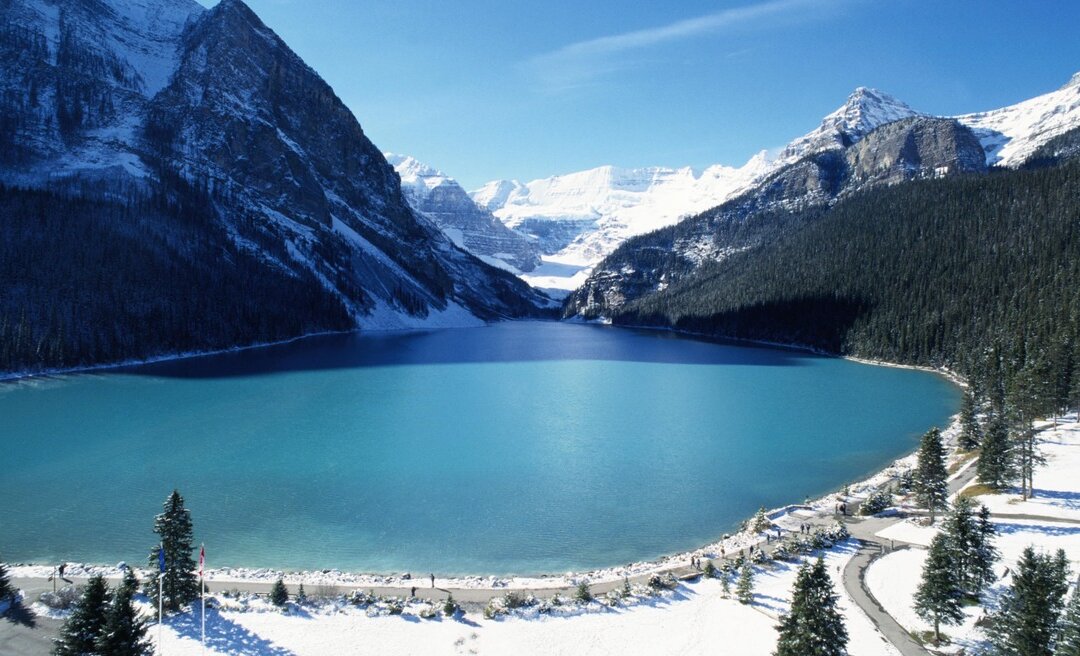
Banff National Park isn’t just Canada’s first national park, it’s the soul of the Rockies. Established in 1885 around the steaming Cave and Basin hot springs, it marked the beginning of a national movement that tied Canada’s identity to wilderness, conservation, and exploration. Every trail, glacier-fed river, and snow-capped ridge here tells that story.
Set against a backdrop of jagged peaks and turquoise lakes, Banff feels both vast and intimate. It’s a place where elk wander casually through meadows and mountain goats cling to cliffs that seem impossibly steep. You can step out of your hotel in town and, within minutes, find yourself surrounded by forest silence and crisp alpine air. It’s this seamless connection between untamed nature and accessible adventure that keeps Banff at the heart of every Canadian travel dream.
Adventures for Every Season
Winter
Banff’s winter is unapologetically alpine, long, bright, and beautifully active. Skiing is the obvious draw: Mount Norquay, Lake Louise and Banff Sunshine Village together offer runs for every level and one of North America’s longest seasons, often stretching from November into May. Off-slope options are equally compelling. Lace up for ice skating on the glassy surface of Lake Louise, join a guided snowshoe through silent forests, or try a dog-sledding excursion that feels equal parts history and adrenaline.
Evenings in town reward the day’s exertions with warm details: hot chocolate by a roaring fire, refined après-ski at a mountainside lodge, and dinner menus that lean into regional game and local produce. For a quieter winter, opt for midweek visits or private early-morning outings to enjoy trails and views before crowds arrive.
Summer and shoulder seasons
When the snows melt, the landscape shifts into vivid color. Hiking options are endless: the Moraine Lake valley and its famed viewpoint, the waterfalls and catwalks of Johnston Canyon, and the alpine meadows of Sunshine Meadows are all within easy reach. For water lovers, kayaking on pristine lakes or gentle canoeing under soaring peaks is quietly restorative. Biking enthusiasts will find everything from mellow lakeside loops to technical singletrack, while the Icefields Parkway, one of the world’s most scenic drives, rewards unhurried stops at glaciers, viewpoints and roadside trails.
Summer mornings are cool and clear; plan early starts for the best light and smaller crowds, and leave room in your day for a lakeside picnic or a late-afternoon soak in a hot springs pool. Shoulder seasons (late spring and early autumn) are especially lovely: the light softens, wildlife is active, and the trail system feels almost private.
Related: Your Guide to Shoulder Season Travel
Why Banff Town is The Perfect Mountain Base
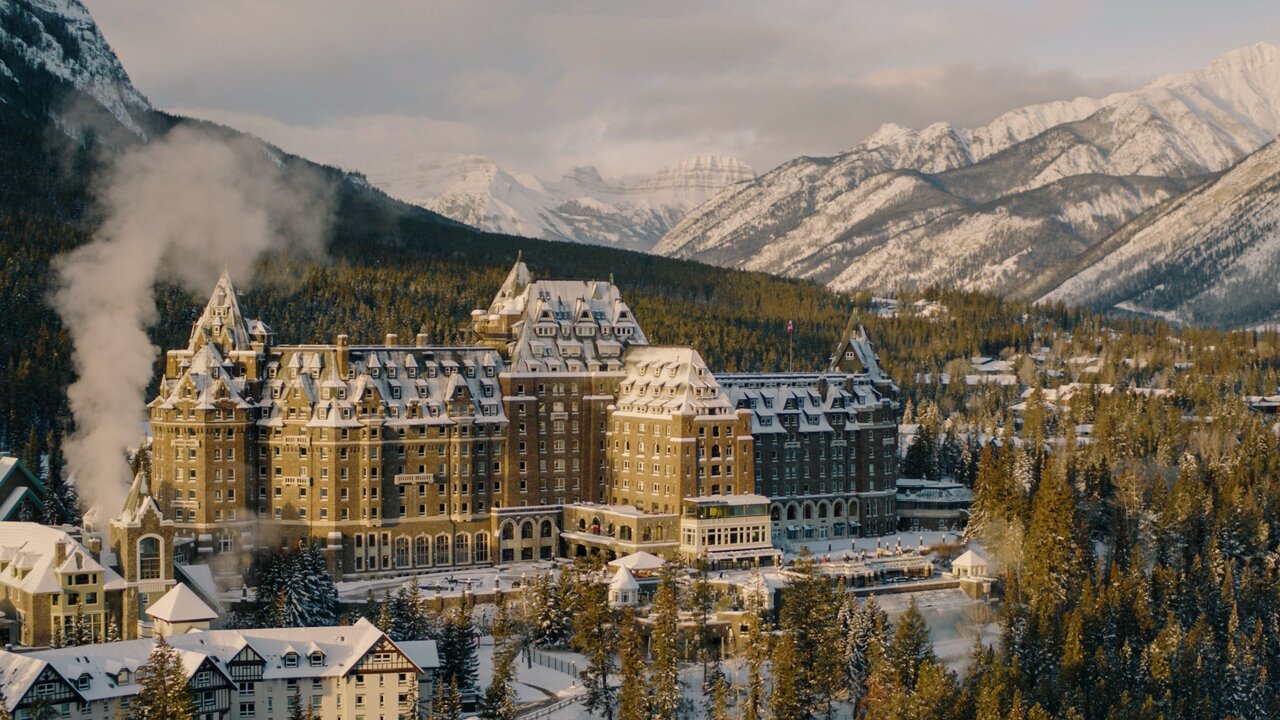
Banff may sit deep within a national park, but it’s far from a rustic outpost. The town itself feels like a perfectly balanced blend of alpine charm and cosmopolitan comfort — the kind of place where you can browse a local gallery, sip an espresso roasted just down the street, and still feel the wild sweep of the Rockies in every direction.
Banff Avenue, the town’s main artery, is alive with artisan cafés, boutique shops, and restaurants that blend local flair with mountain warmth. You’ll find everything from cozy breakfast spots serving hearty pancakes to elegant dining rooms where elk and trout take center stage. Between strolls, pop into one of the many galleries showcasing Indigenous art and photography inspired by the park’s landscapes — a reminder that Banff’s story runs far deeper than its postcard views.
Anchoring the skyline is the Fairmont Banff Springs, the “Castle in the Rockies.” This grand hotel has welcomed guests since 1888 and remains an icon of Canadian hospitality and architecture. Even if you’re not staying overnight, its historic halls and panoramic terraces are worth a visit — perhaps for afternoon tea or a cocktail at the Rundle Lounge.
Despite its global acclaim, Banff hasn’t lost its small-town soul. Locals still gather at favorite haunts like Melissa’s Missteak or the Rose & Crown, where live music and mountain camaraderie fill the evenings. Whether you come for a weekend of adventure or a week of indulgence, Banff wraps you in a rhythm that’s both grounded and elevated — a rare harmony between wilderness and warmth.
Wellness & Relaxation
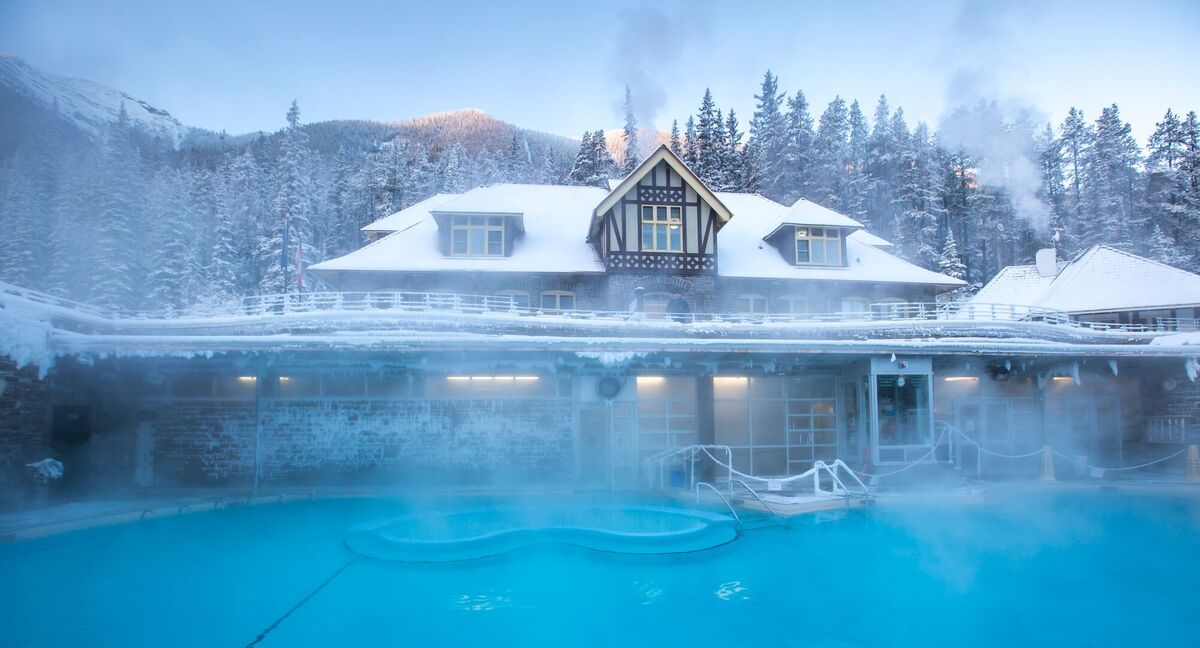
Amid Banff’s endless adventures and mountain grandeur, there’s another rhythm waiting, slower, quieter, and deeply restorative. This is where the art of unwinding meets the majesty of the Rockies.
It all began with the Cave and Basin hot springs, whose discovery in 1883 inspired the creation of Canada’s first national park. Today, you can still soak in the mineral-rich waters at the Banff Upper Hot Springs, where steam rises against a backdrop of snow-capped peaks. It’s a simple but timeless pleasure that grounds you in the moment and reminds you why nature has always been the best therapist.
For those seeking deeper renewal, Banff’s luxury spa retreats take relaxation to new heights. Many resorts blend alpine tradition with modern wellness — think mountain herb massages, forest aromatherapy, and yoga sessions overlooking turquoise valleys. Whether you’re at the Fairmont Banff Springs Spa or a boutique mountain lodge, everything here seems designed to slow your pulse and quiet your thoughts.
Practical Travel Tips
How to get there
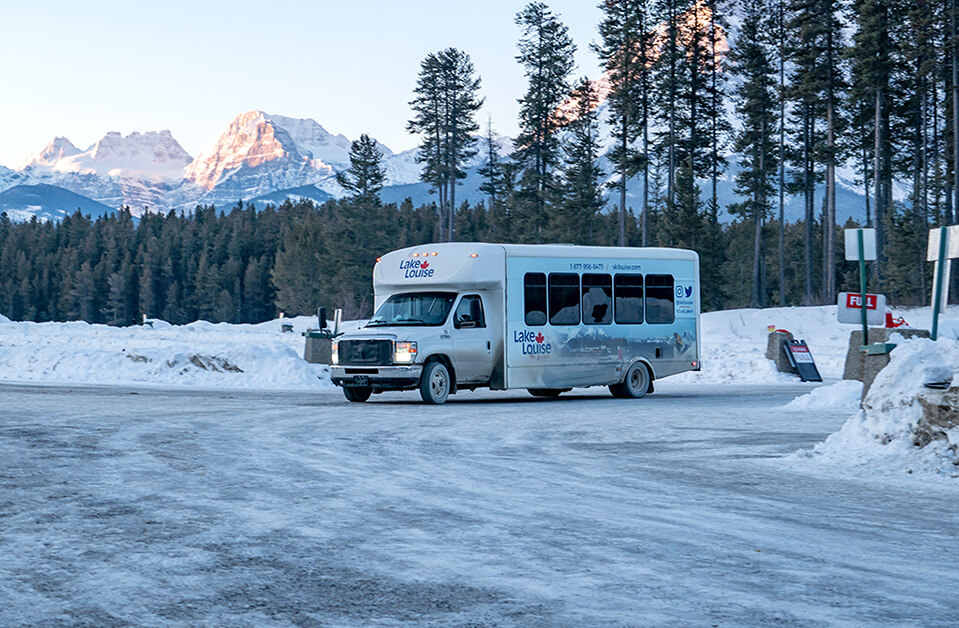
Most visitors fly into Calgary (YYC) and then drive or take a shuttle to Banff, a journey of about 90–120 minutes depending on traffic and weather. Renting a car gives you the flexibility to explore the Icefields Parkway and stop at roadside viewpoints on your own schedule; shuttles remove the stress of driving in winter or peak season. If you plan to include Jasper or spend extended time on the Icefields Parkway, factor in additional driving time.
Suggested length of stay and a sample 3-day mini-itinerary
Suggested stay: 3–4 days covers Banff highlights; 7–10 days lets you add Jasper and more remote hikes.
Sample 3-day plan:
Day 1 — Arrive, stroll Banff Avenue, soak at Banff Upper Hot Springs, and dinner at a local bistro.
Day 2 — Early visit to Lake Louise and Moraine Lake, short hike or canoe, then an evening gondola ride up Sulphur Mountain for sunset views.
Day 3 — Drive part of the Icefields Parkway, explore Johnston Canyon, and enjoy a relaxed afternoon before departure.
Park pass, reservations and popular-spot bookings
Banff National Park requires a Parks Canada pass for all visitors. In summer, access to Lake Louise and Moraine Lake often uses reservation or shuttle systems, so book early to avoid long waits (or the risk of being turned away). Popular experiences such as guided glacier hikes, interpretive wildlife tours, and the Banff Gondola also fill up quickly in high season, so it’s worth securing those reservations ahead of time.
Packing essentials and timing by activity
Pack layers: a waterproof shell, warm mid-layer (useful even on cool summer mornings), sturdy hiking boots, and a small daypack. Even in summer, mountain evenings can be chilly, so bring a hat and light gloves for shoulder-season trips. If you’re traveling in winter or planning off-trail adventures, be sure to include avalanche-aware gear (or hire a guide who provides it).
Safety, wildlife etiquette, and backcountry notes
This is bear country, and mountain weather can change fast. Stay on marked trails, make noise on forested approaches, and carry bear spray where recommended, knowing how to use it before you need it. If you’re planning any backcountry or glacier travel, permits and registration may be required, and hiring a certified guide is a smart safety choice for routes that involve crevasse risk or avalanche exposure. Check Parks Canada advisories and local avalanche forecasts before heading out.
Reservations, dining, and practicalities
Popular restaurants and lodges book up fast in peak season. Reserve dining, spa treatments, and any guided experiences well ahead of time. For casual meals or picnics, the town has grocery and specialty stores that make self-catered lunches easy and enjoyable.
Sustainability and Leave No Trace
Banff is a protected landscape, and preserving it matters. Pack out what you bring in, keep to designated trails, respect wildlife distances, and follow park guidelines. Small actions make a big difference in maintaining the park’s health for future visitors.
Photography
For the best photos, aim for early morning at Moraine and Lake Louise to avoid crowds and get soft light on the water. Late afternoon can also be excellent, but note that clouds build in the afternoons during summer in some years.
Let’s Plan Your Banff Escape
If Banff sounds like the kind of trip you want — one that balances wilderness, wellness and discreet luxury — I can design it for you. I craft itineraries that respect the park’s rhythms, secure the best timing and rooms, and pair you with guides and local experiences that elevate, rather than interrupt, the landscape. Contact me for a complimentary consultation, and we’ll put together a Banff vacation that fits your pace and interests.