
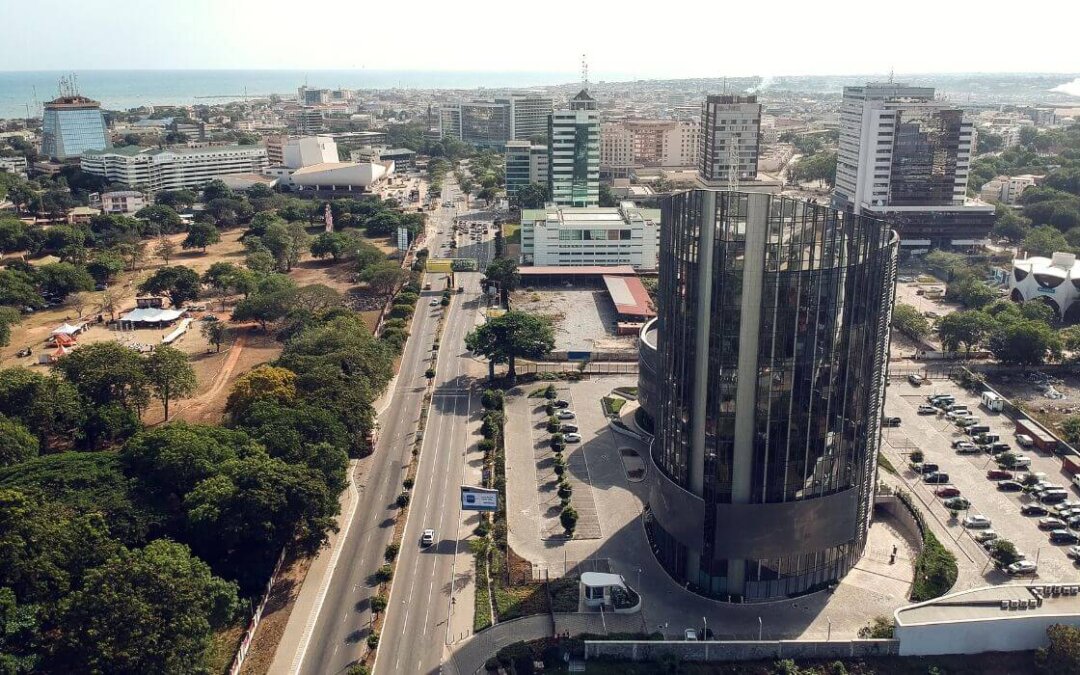
Ghana holds a special place in West Africa — not just geographically, but culturally and historically. For many American travelers, it’s both a powerful point of connection to the African Diaspora and a country confidently shaping its future. Since the landmark Year of Return in 2019, Ghana has continued to invest in heritage tourism through its long-term Beyond the Return initiative, strengthening cultural ties while welcoming a growing number of international visitors.
That momentum has reshaped the travel experience. Kotoka International Airport has become more streamlined, Accra’s luxury hotel scene has matured, and destinations like Kumasi and Cape Coast are better equipped to host travelers seeking both comfort and meaning. Ghana today feels dynamic and contemporary — but it’s also a destination where preparation matters. Entry requirements, health rules, and local expectations are taken seriously, and understanding them ahead of time makes the entire journey smoother.
For American travelers, Ghana rewards curiosity and planning in equal measure. This is a place where history, culture, and modern life intersect — and where knowing the logistics in advance lets you focus on the experience itself.
Entry Requirements for U.S. Citizens
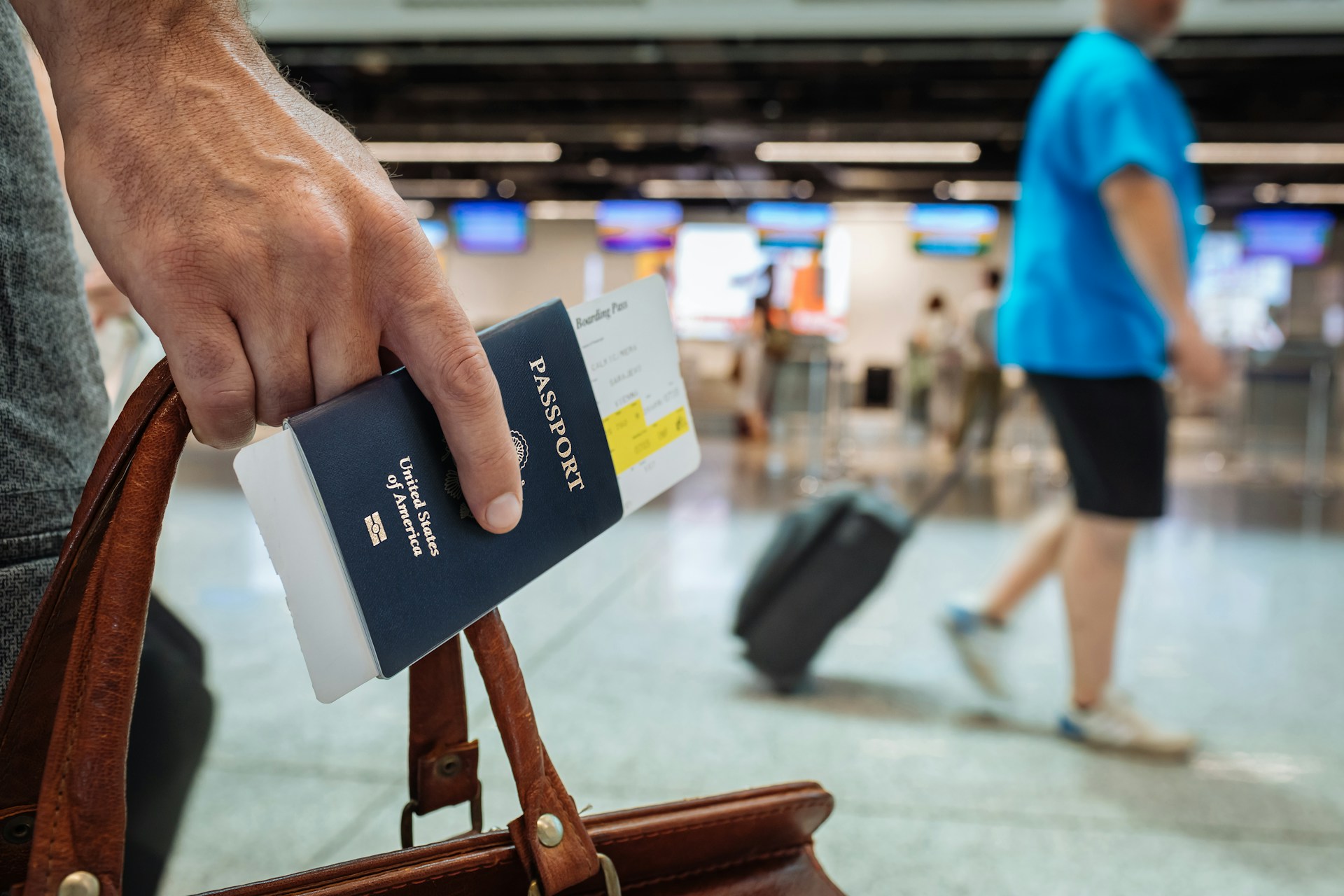
Unlike many countries that offer visa-free entry for short stays, Ghana requires U.S. passport holders to obtain a visa before arrival. This policy is firmly enforced, and travelers should plan for the process well ahead of departure. The good news: while detailed, the system is predictable if handled early and correctly.
Visas are issued through Ghana’s Embassy in Washington, D.C., or the Consulate General in New York. Applications are completed online, but your physical passport must still be submitted for processing. Standard processing can take up to three weeks, which is why many travelers opt for expedited service to keep timelines realistic — especially if flights are already booked.
You’ll need to show proof of where you’ll be staying, such as a confirmed hotel reservation or a letter of invitation from a host in Ghana. If your trip includes professional activity — even informal meetings or speaking engagements — additional documentation may be requested. The key takeaway: Ghana is clear about why you’re visiting, and they expect your paperwork to reflect that accurately.
For longer stays, there’s one additional rule travelers should be aware of. If you remain in Ghana for more than 90 days within a calendar year, you’re required to register with the National Identification Authority and obtain a non-citizen Ghana Card. This ID becomes essential for everyday transactions, from banking to domestic.
Health Requirements
Health regulations in Ghana are taken seriously, especially at the border. The most important requirement for travelers is proof of Yellow Fever vaccination. This isn’t a suggestion — it’s a legal entry requirement for anyone over nine months old.
You must carry your International Certificate of Vaccination (often called the Yellow Card) and present it immediately upon arrival at Kotoka International Airport. Travelers who arrive without proof — or who were vaccinated fewer than ten days before entry — may face delays, mandatory vaccination on arrival, or even quarantine in certain cases.
The strict enforcement reflects Ghana’s location within a Yellow Fever transmission zone. From the country’s perspective, this is a public health safeguard, not a formality. If Ghana is on your itinerary, scheduling the vaccine well before departure is essential.
Beyond Yellow Fever, travelers should also plan for malaria prevention, as Ghana is a high-risk area and chloroquine-resistant strains are present. Routine vaccinations should be up to date, and many travelers consult a travel health clinic before departure to tailor precautions to their itinerary.
Accra’s Food, Art, and Fashion
Accra has become one of Africa’s most exciting creative capitals. Food, art, fashion, and music don’t exist in separate lanes here — they overlap, influence one another, and shape how the city feels day to day. For travelers, this means you can move seamlessly from a gallery opening to a chef-driven dinner, or from a fashion showroom to cocktails overlooking the city.
A New Era of Dining
Accra’s dining scene has evolved well beyond traditional chop bars. While local favorites remain essential to the experience, a new generation of chefs and restaurateurs is redefining what fine dining looks like in West Africa.
A good example is Midunu. This appointment-only restaurant offers curated tasting menus that reinterpret African ingredients and food traditions through a modern lens.
For travelers craving international flavors, Accra delivers. Santoku and Kozo are standout choices for Japanese and Asian-fusion cuisine, offering polished interiors, strong cocktail programs, and consistent execution that rivals major global cities.
Sky Bar 25 remains a classic for good reason. Perched above the city, it’s one of the best places to watch the sun dip over Accra’s skyline. Service can be uneven during peak hours, but the setting and atmosphere keep it firmly on the list for pre-dinner drinks or a late-night stop.
Contemporary Art and Global Recognition
Accra is firmly on the global contemporary art map. The city’s galleries and cultural spaces reflect both Ghana’s artistic legacy and its current creative momentum.
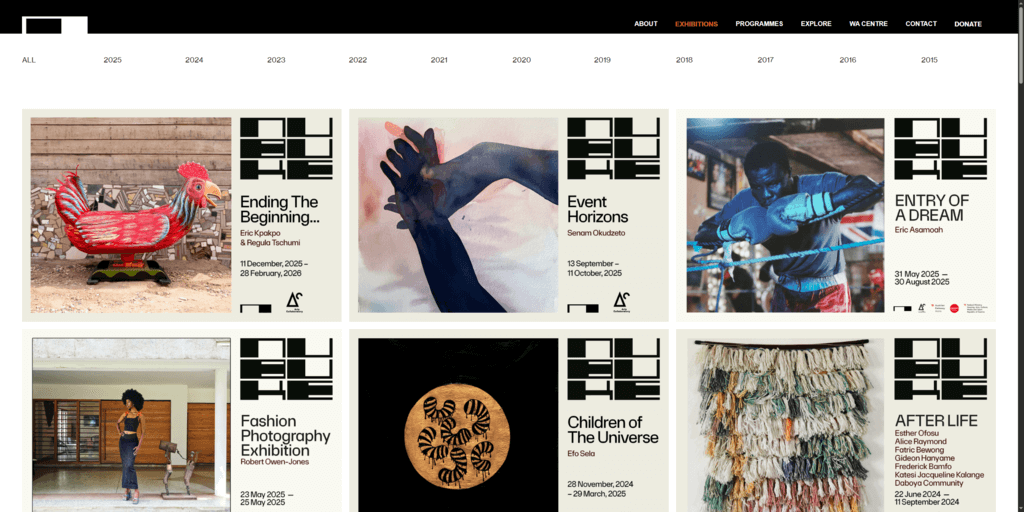
The Nubuke Foundation, located in East Legon, is one of the most important stops for travelers interested in Ghanaian art. Its rotating exhibitions, talks, and screenings highlight both emerging and established artists, set within a striking architectural space that encourages lingering rather than rushing through.
Gallery 1957 operates multiple locations across Accra and has played a major role in elevating Ghanaian artists onto the international stage. The gallery regularly participates in major art fairs abroad, but its Accra spaces remain approachable for visitors, offering a thoughtful introduction to contemporary African art without feeling overly formal.
For something more expansive, the Artists Alliance Gallery provides three floors of work ranging from large-scale paintings to traditional pieces like fantasy coffins. Founded by acclaimed artist Ablade Glover, it’s an excellent place to understand the breadth of Ghanaian visual culture in one visit.
Fashion as Cultural Expression
In Ghana, fashion isn’t just about style — it’s a language. Nowhere is that clearer than at Christie Brown, one of the country’s most influential luxury fashion houses. Founded by Aisha Ayensu, the brand blends traditional craftsmanship with refined, modern silhouettes, earning international recognition along the way.
The brand’s flagship space, The Residence in Osu, feels more like a private salon than a retail store. Rich textures, warm lighting, and attentive service create an experience that invites conversation as much as shopping. Even travelers who don’t plan to buy will appreciate seeing how African luxury is being redefined on its own terms.
Nearby, The Lotte Accra showcases a curated mix of high-end African designers. It’s an ideal stop for travelers looking to take home something distinctive — pieces that feel rooted in place yet wearable anywhere.
Ghana’s History and Heritage
For many American travelers, Ghana’s history is the emotional core of the journey. The country offers direct, powerful engagement with the legacy of the transatlantic slave trade and the enduring strength of West African civilizations.
Cape Coast and Elmina
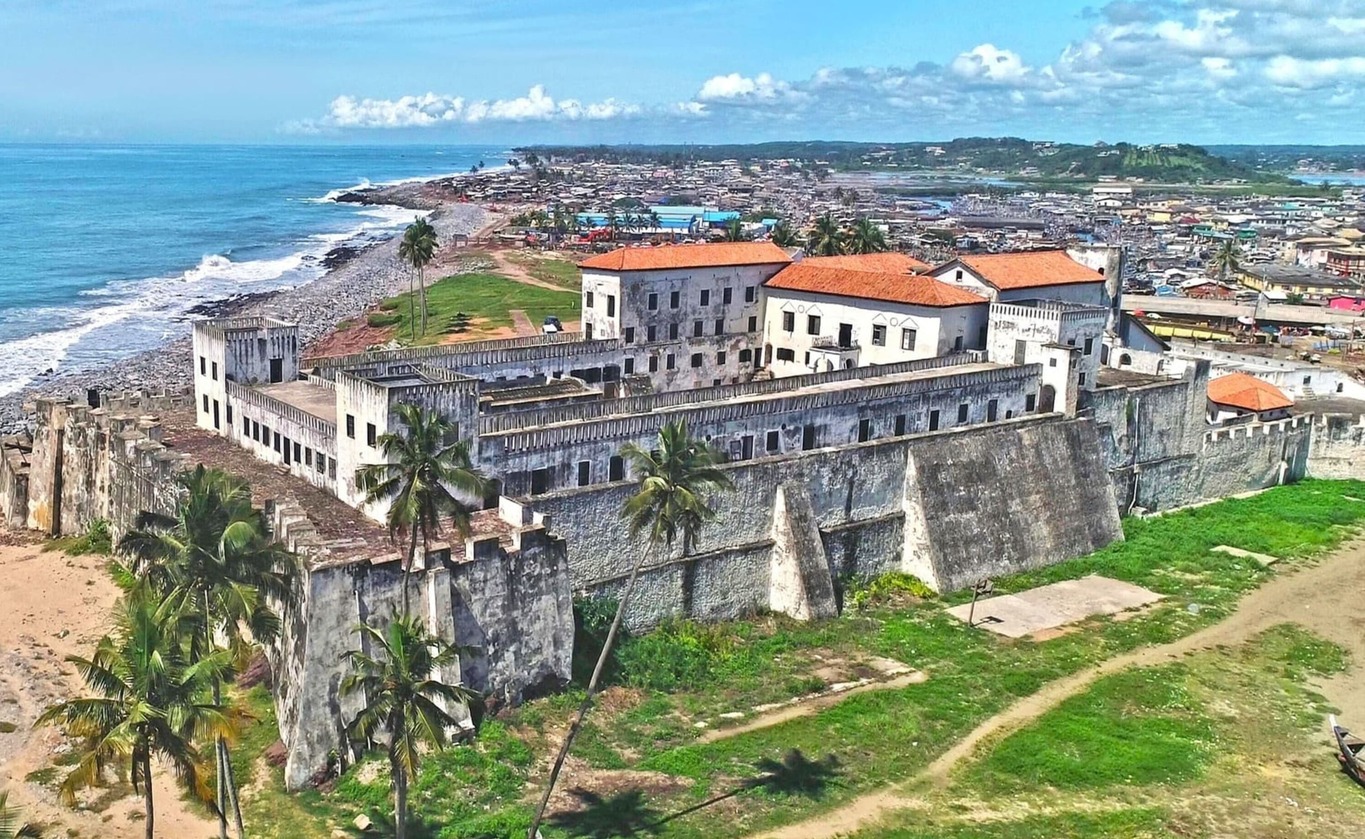
Cape Coast Castle and Elmina Castle, both UNESCO World Heritage sites, are among the most significant historical landmarks in West Africa. These coastal fortresses were departure points for millions of enslaved Africans, and visiting them requires time, emotional space, and intention.
Guided tours walk visitors through the stark contrasts of the castles — from the governor’s quarters above to the dungeons below, and finally the Door of No Return. It’s not a sightseeing stop to rush through. Many travelers find it helpful to plan only one major activity for the day and allow time afterward for reflection.
A short drive inland brings you to Assin Manso, where enslaved people took their final bath before being forced toward the coast. Today, the site serves as a place of remembrance and quiet connection, particularly meaningful for members of the African Diaspora.
The Ashanti Heartland: Kumasi
Kumasi is the cultural heart of the Ashanti Kingdom, where tradition and modern life coexist seamlessly. Chieftaincy and royal customs remain deeply respected, and visitors are often struck by how present this history feels.
The Manhyia Palace Museum offers essential context, detailing the history of the Ashanti people, the role of the Asantehene, and the significance of the Golden Stool, which symbolizes unity and authority.
Kejetia Market, one of the largest open-air markets in West Africa, is overwhelming in the best way. It’s loud, colorful, and full of energy — an unforgettable look at everyday commerce and community life.
Nearby weaving villages like Bonwire and Ntonso provide insight into the production of Kente and Adinkra cloth. These textiles aren’t decorative souvenirs; each pattern carries meaning, status, and history passed down through generations.
Socio-Cultural Navigation
Ghana is known for its warmth, but that warmth is rooted in respect. Greetings, manners, and social awareness matter here, and travelers who make a small effort are often met with extraordinary kindness in return. Think of cultural etiquette as part of the experience, not a rulebook — it helps conversations flow and doors open.
Everyday Etiquette
One cultural rule you’ll hear about quickly is the right-hand rule. Always use your right hand when giving or receiving money, food, documents, or gifts. The left hand is traditionally associated with personal hygiene, so using it for social exchanges can feel disrespectful, even if unintentional. If your right hand is occupied, a brief apology before switching hands goes a long way.
Greetings are never rushed. Handshakes are common and often gentle, sometimes ending with a small finger snap — a sign of friendliness rather than formality. When greeting a group, it’s polite to acknowledge people one by one, starting from the right. Jumping straight into questions or requests without a greeting can come across as abrupt, so take a moment to say hello first.
Body language matters, too. Pointing directly at someone with a finger is considered rude; use your whole hand or a nod instead. Public behavior tends toward modesty — loud confrontations or overt displays of affection can draw attention, especially outside upscale neighborhoods.
Respect for age and authority runs deep. Elders are spoken to politely, and traditional leaders such as chiefs are treated with particular reverence. Men should remove hats in formal or traditional settings. These gestures aren’t about hierarchy; they’re about showing awareness of local values.
Ghana Man Time
You may hear the phrase “Ghana Man Time,” which loosely refers to a relaxed approach to punctuality. In everyday life, social events, weddings, and ceremonies often start later than the stated time — sometimes an hour or two later. This is normal and rarely seen as rude.
That said, don’t confuse this with chaos. Business meetings, airport transfers, private tours, and luxury experiences increasingly operate on international schedules. The key is knowing the context: social gatherings are flexible, while professional services usually are not. When in doubt, your hotel concierge or guide can clarify expectations.
Payments and Tipping in Ghana
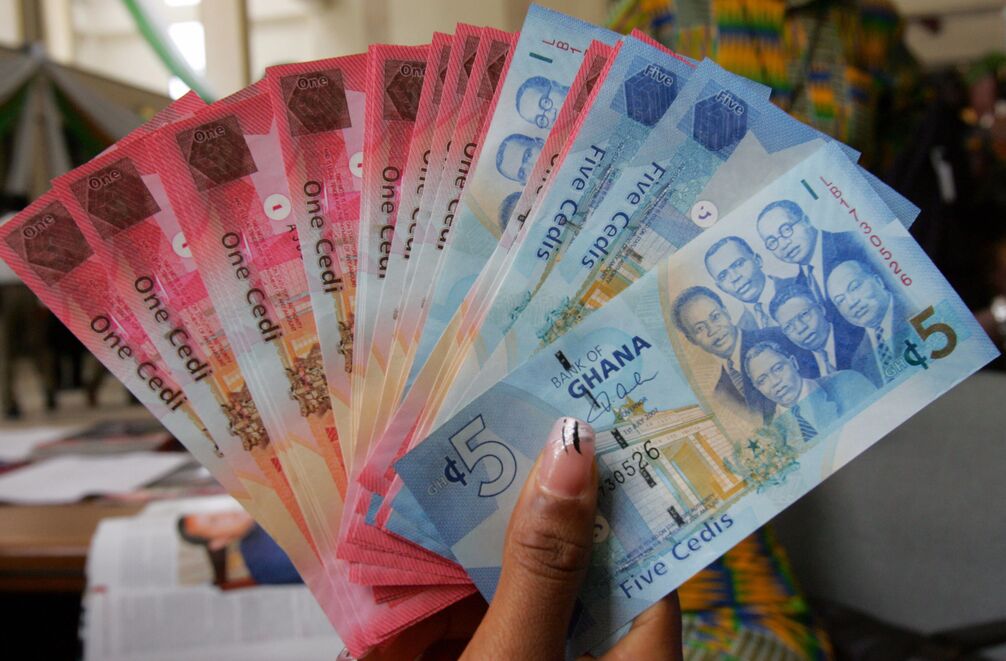
Ghana’s financial system blends traditional cash use with surprisingly advanced digital payments. Being comfortable with both will make your trip smoother.
Cash and Currency Basics
The local currency is the Ghanaian Cedi (GHS), and it’s used everywhere. While U.S. dollars are widely accepted for exchange, daily transactions are done in cedi. ATMs are common in major cities, but it’s best to use machines located inside bank branches (such as Ecobank or Stanbic) rather than standalone street ATMs.
If you’re exchanging cash, larger U.S. bills ($50s and $100s) typically receive better rates than smaller denominations. Keep smaller cedi notes on hand for markets, tips, and taxis.
Cards, Mobile Money, and Modern Payments
Ghana is one of Africa’s leaders in mobile money, and you’ll see it used everywhere — from street vendors to upscale boutiques. MTN Mobile Money (often called “MoMo”) and Telecel Cash are the most common platforms.
Major hotels, restaurants, and shopping centers in Accra and Kumasi generally accept Visa and Mastercard. American Express is less consistently accepted, so it’s best not to rely on it alone.
If you’re staying more than a few days, getting a local SIM card can be incredibly useful. With it, you can set up basic mobile money access, which makes small payments and tipping easier when cash is limited or inconvenient.
Tipping (“Dashing”)
Tipping in Ghana, often referred to as “dashing,” is appreciated but not aggressive or transactional. It’s rarely included automatically.
As a general guide:
- Restaurants: about 10% for good service
- Drivers, porters, and guides: small cash tips (roughly 10–50 cedi, depending on service and duration)
These tips support the local service economy and are always welcomed when given respectfully.
Ready to Experience Ghana the Right Way?
Ghana has become one of the most meaningful destinations for African American travelers — not just for its history, but for the depth, pride, and sense of connection it offers. Planning it well makes all the difference.
As a personal travel consultant, I specialize in crafting Ghana itineraries that go beyond the surface. From navigating visas and health requirements to choosing the right hotels, guides, and cultural experiences, I handle the logistics so you can focus on the journey itself. Whether you’re planning a first-time visit, a heritage-focused trip, or a more refined, luxury experience, I build trips that balance insight, comfort, and authenticity.
If you’re thinking about traveling to Ghana, I’d love to help you plan it thoughtfully and seamlessly. Reach out for a complimentary consultation, and we’ll talk through your goals, timing, and the kind of experience you want — then turn it into a trip that feels personal, well-paced, and deeply rewarding.