
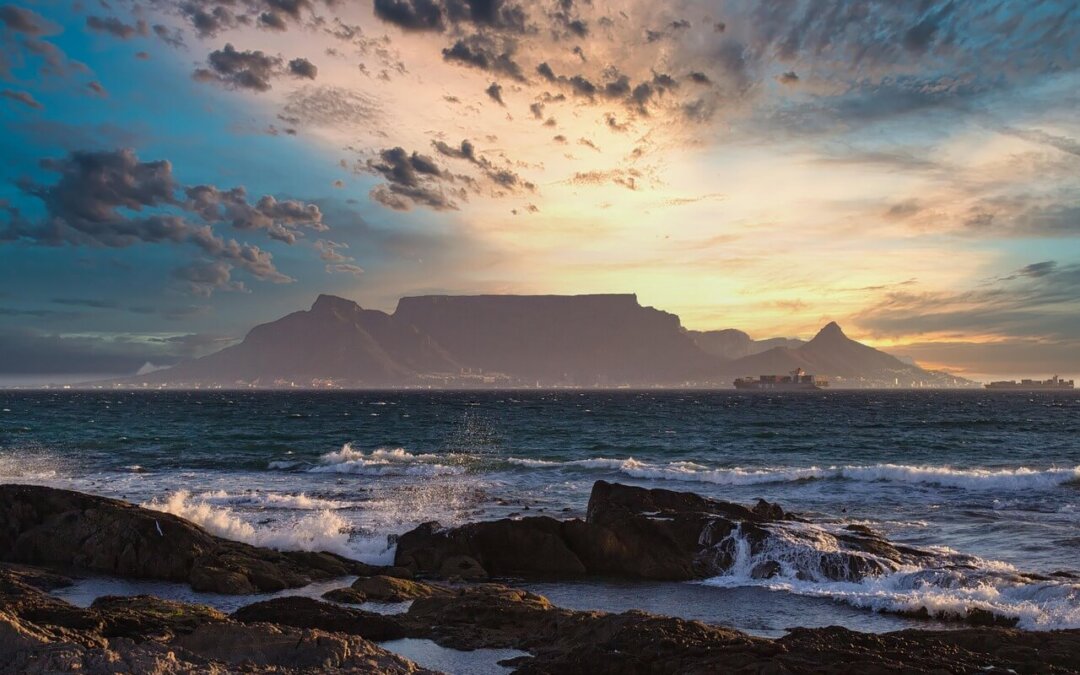
South Africa doesn’t fit into a neat travel category. It’s wild, yes—but also thoughtful. Remote and raw in places, yet full of comfort and detail in others. It’s the kind of destination that invites you to slow down, look closer, and be fully present.
This guide isn’t about doing everything. It’s about experiencing South Africa in a way that feels personal and meaningful—through its landscapes, flavors, and stories. Whether you’re drawn to nature, food, culture, or all of the above, there’s space here to explore at your own pace.
Cape Town
Cape Town isn’t just beautiful—it’s layered, complex, and full of moments that surprise you in the best way.
Table Mountain & Nearby Trails
Let’s start with the obvious—Table Mountain. You can hike it (via Platteklip Gorge for a steep but direct climb) or take the cable car for a quicker trip up. Either way, the views stretch from city to sea and are worth the early start.
Prefer something less strenuous? Lion’s Head offers a scenic spiral path with panoramic sunrise and sunset views, while Signal Hill is great for a drive-up picnic.
Neighborhoods Worth Exploring
- Bo-Kaap: Famous for its colorful houses, but it’s also home to Cape Malay heritage, spice shops, and family-run cooking classes. A walking tour here is a great way to learn about the area’s layered history.
- Camps Bay: Beachside glam. Think ocean-view restaurants, swaying palm trees, and a golden-hour energy that makes you want to linger.
- Woodstock: Gritty, creative, and on the move. You’ll find galleries, the Neighbourgoods Market at the Old Biscuit Mill (come hungry), and some of the city’s most interesting design studios and cafés.
Where to Stay
- Kloof Street Hotel and The Silo Hotel bring design-forward touches and dramatic views.
- Tintswalo Atlantic is tucked away near Hout Bay—ideal if you want seclusion without being far from the city.
- Airbnbs in Tamboerskloof or Gardens offer character-filled alternatives within walking distance of great restaurants.
Dining with a View
Cape Town’s food scene blends global influence with hyper-local ingredients.
- The Pot Luck Club (in Woodstock) is a standout for creative small plates.
- Fyn, one of the city’s top fine-dining restaurants, offers African-Japanese fusion and sweeping city views.
The Cape Winelands
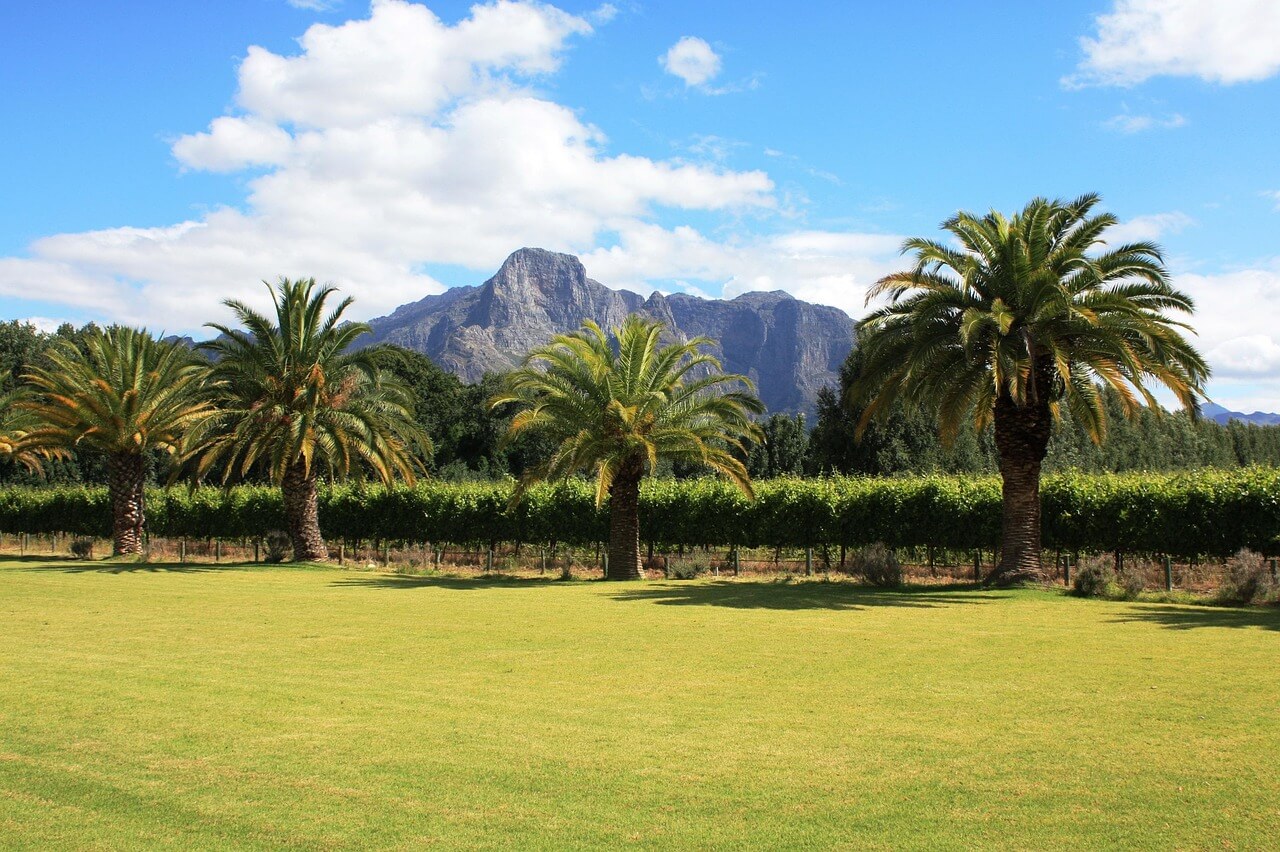
Just a short drive from Cape Town, the Cape Winelands feel like they belong in their own world—rolling vineyards, oak-lined streets, and a pace of life that encourages long lunches and even longer sunsets.
Where to Go
- Stellenbosch is the heart of it all—home to some of South Africa’s oldest wine estates and a university town with a lively, walkable center. Expect Cape Dutch architecture, boutique art galleries, and cozy wine bars on every corner.
- Franschhoek (literally “French corner”) blends Provençal charm with South African soul. It’s smaller, quieter, and known for its gourmet dining and boutique guesthouses.
- Paarl is less polished than its neighbors but full of character—and home to major wine estates like Fairview and Spice Route, where you can spend hours tasting cheese, chocolate, craft beer, and wine all on the same property.
Wine, Art, and Architecture
Many estates go beyond wine.
- Delaire Graff Estate pairs bold reds with sculpture gardens and views that stretch to the mountains.
- Tokara combines tastings with an art gallery, olive oil sampling, and modern architecture that makes it feel like a design destination.
- Babylonstoren is part farm, part garden wonderland, part spa retreat—an absolute favorite for slow travel.
You don’t need to rush between wineries either. The Franschhoek Wine Tram offers a hop-on, hop-off route through the valley, so you can sip without driving.
Where to Stay
- La Petite Ferme and Leeu Estates offer vineyard views and thoughtful luxury in Franschhoek.
- In Stellenbosch, try Lanzerac—a heritage estate with a full spa and cellar tours.
Want something more rustic? Boschendal offers beautifully restored farm cottages and bikes for exploring the estate.
Garden Route Adventures
The Garden Route isn’t just a drive—it’s an experience that unfolds slowly over a few hundred kilometers of coastal forests, beach towns, lagoons, and mountain passes. Stretching from Cape Town to the Eastern Cape (though most travelers focus on the Mossel Bay to Tsitsikamma section), it’s a perfect route for those who enjoy the freedom of the open road without rushing it.
Where Nature Steals the Show
This is one of South Africa’s most biodiverse regions, with countless ways to explore:
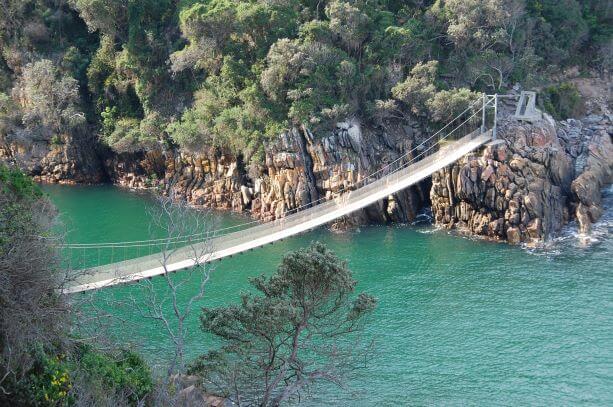
- Tsitsikamma National Park: Home to the Storms River Mouth suspension bridge, coastal hikes, and canopy tours through ancient forests.
- Knysna: Known for its calm lagoon and the dramatic Knysna Heads, this town blends natural beauty with a laid-back food and art scene.
- Wilderness: Long, wild beaches and peaceful lagoons perfect for kayaking or just walking in the wind.
Where to Stay
The Garden Route is full of eco-luxury lodges and boutique hotels that feel personal and grounded in the landscape:
- Emily Moon River Lodge (in Plettenberg Bay) offers earthy-luxe vibes with stunning river views.
- Gondwana Game Reserve near Mossel Bay combines safari with coastal proximity.
- The Turbine Boutique Hotel & Spa in Knysna is built inside a converted power station—quirky and full of character.
Most places along the route are small and family-run, with a focus on sustainability and community.
Driving Tips
- Allow at least 5–7 days if you want to enjoy the drive without rushing.
- Roads are well-maintained, and signage is good—but don’t rely solely on GPS in remote areas.
Port Elizabeth (Gqeberha) or George are good endpoints for those flying onward.
What to Eat
Braais, Bistros & Everything In Between
The braai (South African barbecue) isn’t just about grilled meat—it’s a cultural ritual. If you’re invited to one, go. Expect anything from boerewors (farm-style sausage) to grilled lamb chops, always cooked slowly over open flame, often with salads, pap (maize porridge), and loads of conversation.
On the flip side, South Africa’s urban dining scene is world-class. In Cape Town alone, you’ll find:
- Chef-driven restaurants using foraged ingredients or reimagining traditional recipes.
- Casual wine bars with small plates and sea views.
- Outdoor markets (like Neighbourgoods or Oranjezicht) where you can graze your way through local bites, pastries, and small-batch sauces.
Dishes to Look Out For
- Bobotie: A Cape Malay dish with spiced minced meat, egg topping, and chutney on the side. Comfort food with a twist.
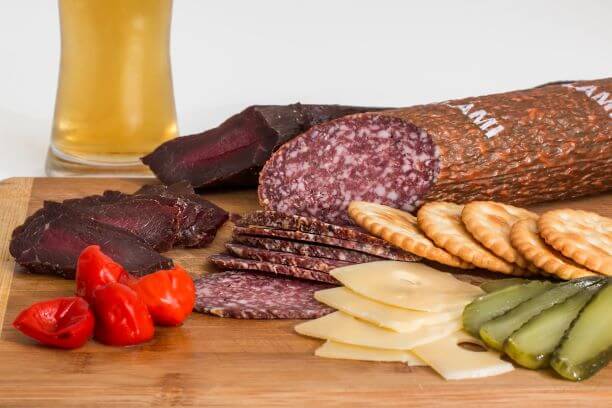
- Biltong: South Africa’s answer to jerky—air-dried and richly seasoned. Perfect road trip snack.
- Cape Malay curries: A beautiful balance of spice, sweetness, and depth. Often includes cinnamon, turmeric, and dried fruit.
- Bunny chow (in Durban): A hollowed-out loaf filled with fragrant curry, reflecting the country’s Indian influence.
- Snoek: A local fish often smoked or grilled over coals—simple and satisfying.
Vegetarians won’t feel left out either—many restaurants offer seasonal veggie dishes, and there’s a growing plant-based scene, especially in Cape Town and Johannesburg.
Practical Tips for Planning Your South Africa Trip
Planning a trip to South Africa doesn’t need to feel overwhelming. A little prep goes a long way, especially if you’re covering multiple regions. Here are the essentials to help you travel smart and comfortably.
Best Time to Visit
South Africa’s seasons are flipped if you’re coming from the Northern Hemisphere, and regional differences matter:
- For safaris (Kruger and the private reserves):
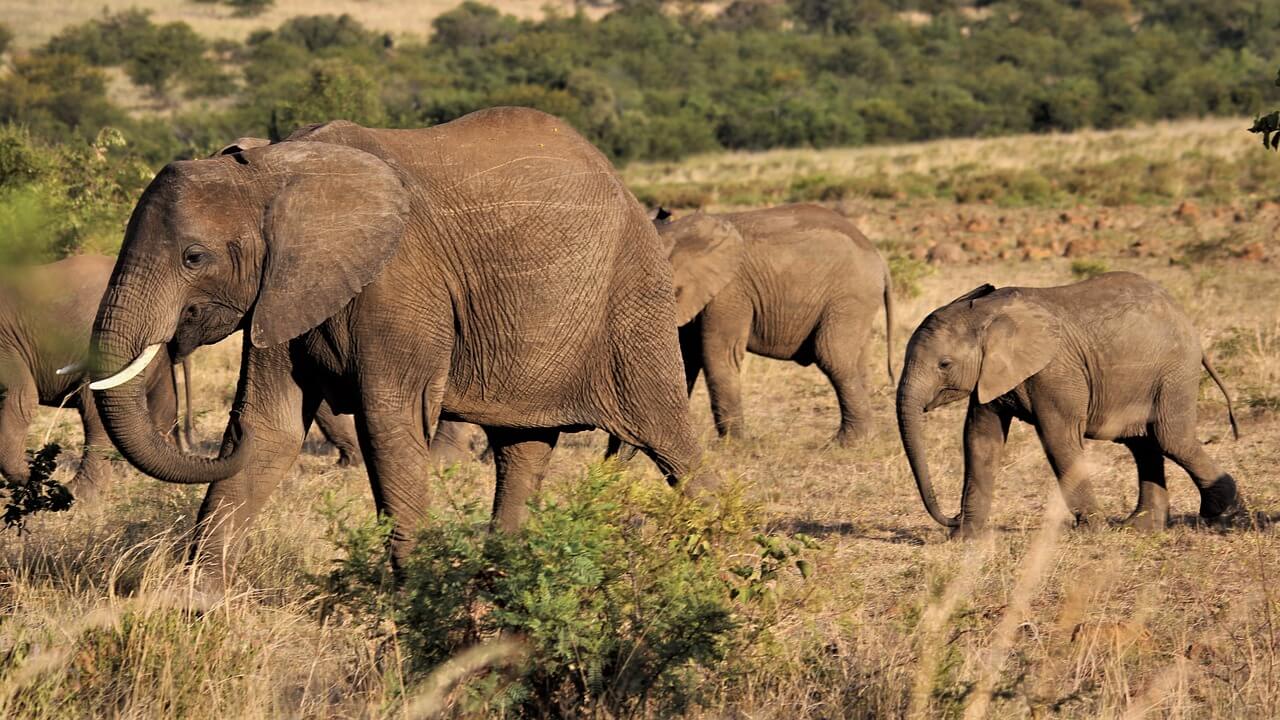
Go during the dry winter months (May–September) when the bush is thinner and animals gather at watering holes—making wildlife easier to spot. - For Cape Town and the Winelands:
Summer (November–March) brings warm, dry days perfect for beaches, vineyards, and outdoor dining. This is also peak travel season, so book early. - For the Garden Route:
It’s mild year-round, but spring (September–November) and early autumn (March–April) are particularly lovely.
Getting Around: Flights vs. Driving
- Internal flights are affordable and time-saving—especially for long distances like Cape Town to Kruger.
- For regional travel (like the Garden Route), self-driving is ideal. Roads are well-maintained, and having your own car gives you flexibility.
- Rental cars drive on the left-hand side, and automatic cars should be reserved in advance.
Entry & Visas
- Many nationalities (including U.S., UK, and EU citizens) can enter visa-free for up to 90 days.
- Your passport should be valid for at least 30 days beyond your departure and have two blank pages for entry stamps.
Always double-check current entry requirements before you travel.
What to Pack
South Africa’s climate varies, and so will your itinerary. Pack with layers in mind:
- Lightweight clothing for hot days
- A fleece or insulated jacket for early morning game drives (even in summer)
- Comfortable walking shoes
- A sunhat, sunglasses, and sunscreen
- A waterproof jacket (especially for Cape Town’s windy or rainy days)
- Adapters for Type M or universal plugs
- A daypack and refillable water bottle for hikes and road trips.
Final Thoughts
South Africa often gets framed around the safari—and while the wildlife is unforgettable, it’s only one part of the story. For the sophisticated adventurer, that mix is what makes the journey truly special. You don’t have to choose between the wild and the well-curated—you can have both, often in the same day. If you’re drawn to the idea of slow mornings in vineyard valleys, quiet moments in the bush, and meaningful cultural experiences layered in between, South Africa offers all of that—and more.
And if planning the route feels overwhelming? That’s where I come in. As a personal travel advisor, I help you shape a trip that reflects your interests, pace, and comfort level—without missing the moments that make South Africa so unforgettable. From finding the right game lodge to booking that hidden gem of a boutique hotel overlooking the sea, I make the logistics seamless so you can focus on the experience. Because travel should feel personal—and South Africa is too remarkable to experience any other way. Get in touch for a consultation today.