
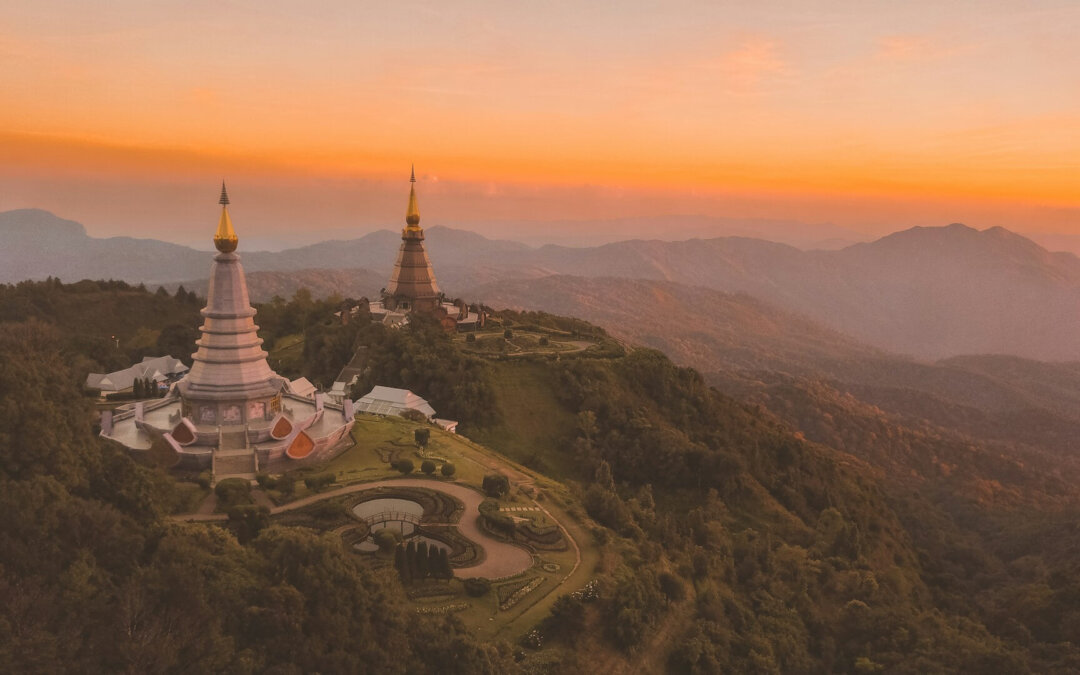
Thailand is not one experience — it’s many. Ancient kingdoms and jungle-covered ruins. Cosmopolitan rooftops and floating markets. Island sunsets and mountain monasteries. The beauty of Thailand lies in its diversity, and understanding its regions helps you design a journey that feels balanced and immersive.
As you begin planning your journey through this Southeast Asian jewel, thoughtful preparation will help you experience it at its best. Here’s what to consider before you go.
Planning Your Trip
A well-timed visit can transform your experience. Understanding Thailand’s seasons, entry requirements, and on-the-ground logistics allows you to travel confidently and comfortably.
Best Time to Visit
Thailand enjoys a tropical climate with three primary seasons:
-
Cool season (November–February): The most comfortable time to visit, with lower humidity and milder temperatures. This is peak travel season, especially in Bangkok, Chiang Mai, and the islands.
-
Hot season (March–May): Expect high temperatures and humidity, particularly in central Thailand. Coastal destinations can still be enjoyable with sea breezes.
-
Rainy season (June–October): Characterized by short but intense tropical downpours. Landscapes are lush and vibrant, and there are fewer crowds.
For ideal weather combined with slightly fewer visitors, consider traveling in November or late March, when conditions are favorable, but peak-season congestion is less pronounced.
Safety & Cultural Awareness
Thailand is generally considered a safe and welcoming destination, but standard travel precautions apply. Keep valuables secure, use reputable transportation services, and exercise caution if renting motorbikes.
Equally important is cultural respect. Dress modestly when visiting temples, remove shoes before entering sacred spaces or private homes, and show deference to images of the Thai monarchy and religious symbols. A little cultural awareness goes a long way in enriching your experience.
Currency & Payments
The local currency is the Thai Baht (THB). ATMs are widely available in cities and tourist hubs, and major hotels and restaurants accept credit cards. However, cash remains essential for street food vendors, markets, taxis, and smaller island establishments.
It’s wise to notify your bank before traveling and monitor exchange rates in advance. Carrying small denominations will make everyday transactions easier.
Getting Around
In Thailand, you have a variety of transportation options to choose from depending on your budget and preferences. Taxis are readily available in cities, and by using the Grab app, you can secure a ride with clear pricing, similar to Uber. For shorter distances or a more local mode of transport, tuk-tuks are a fun alternative, but be sure to negotiate the fare before starting your journey. For longer distances, consider domestic flights or reliable train service.
Exploring the Regions
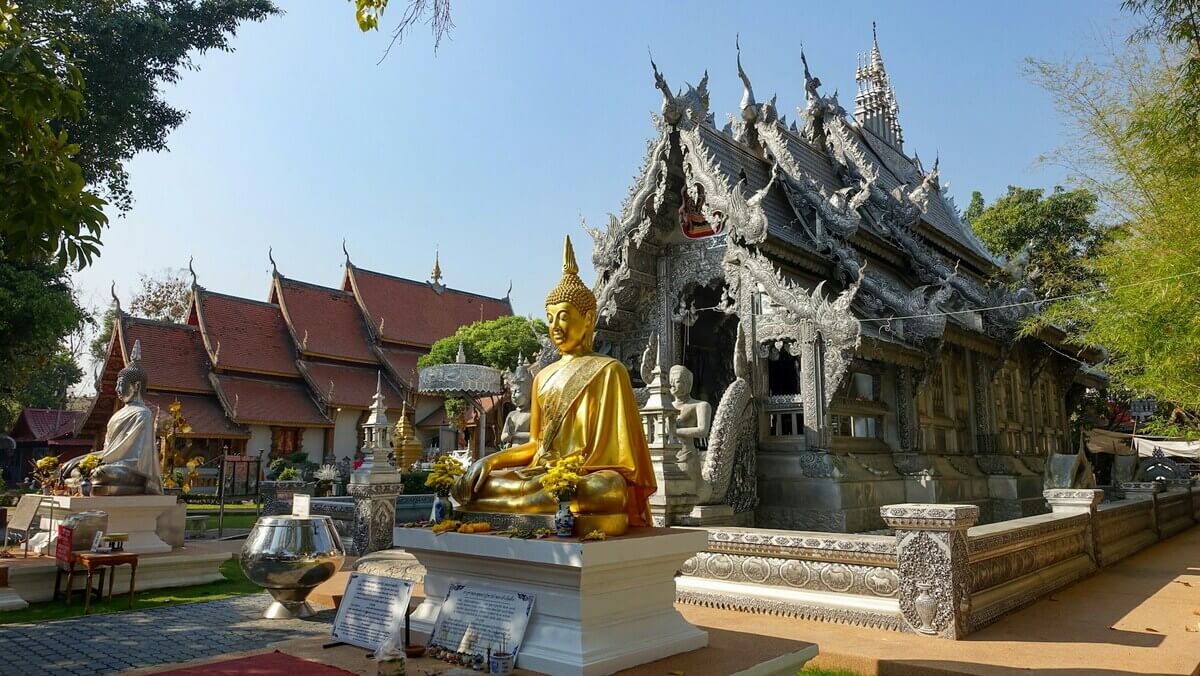
Bangkok
Thailand’s capital is dynamic, layered, and endlessly stimulating. Skyscrapers rise beside gilded temples, and luxury malls sit just minutes from centuries-old markets.
Begin with the icons: the Grand Palace and nearby Wat Pho, home to the famed Reclining Buddha. Wander through Chinatown for sensory overload — sizzling woks, herbal shops, and gold storefronts lining narrow streets.
In Siam, Bangkok’s modern shopping district, malls like MBK Center and Siam Paragon offer everything from local brands to global luxury labels.
For a deeper historical perspective, take a day trip to Ayutthaya Historical Park, the former royal capital and a UNESCO World Heritage Site. Or head north to Sukhothai Historical Park, where serene temple ruins sit among lotus ponds and ancient trees.
By night, Bangkok transforms. Rooftop bars glow above the skyline, Muay Thai matches electrify local stadiums, and live music spills from hidden jazz lounges.
Where to Stay
In the capital, riverside hotels offer a sanctuary from the city’s vibrant pace. Along the Chao Phraya River, properties like Mandarin Oriental, Bangkok and The Siam blend heritage architecture with contemporary elegance. Expect private butler service, curated cultural experiences, and sunset views over temple-lined waters.
For modern glamour, Capella Bangkok delivers expansive riverfront suites with private plunge pools and intuitive, personalized service.
Northern Thailand
Northern Thailand offers a softer rhythm — misty mountains, temple bells at dawn, and a deeply rooted cultural identity.
Chiang Mai
Known as the “Rose of the North,” Chiang Mai blends spirituality and creativity. Within the Old City walls, visit Wat Chedi Luang and Wat Phra Singh before ascending to Wat Phra That Doi Suthep, where sweeping views stretch across the valley below.
On Sundays, the Walking Street Market fills the city with artisans, street performers, and local crafts.
For ethical wildlife encounters, choose reputable elephant sanctuaries focused on rehabilitation and conservation rather than entertainment.
Where to Stay
Four Seasons Resort Chiang Mai surrounds you with rice paddies and mountain mist, where villas feature outdoor soaking tubs and private terraces.
For a boutique escape, 137 Pillars House offers colonial charm, lush gardens, and quiet sophistication within easy reach of the Old City.
Chiang Rai
Further north, Chiang Rai introduces contemporary artistry with Wat Rong Khun (The White Temple) — a surreal, modern interpretation of Buddhist symbolism.
Nearby, the Golden Triangle marks the meeting point of Thailand, Laos, and Myanmar — once a notorious trading hub, now a fascinating historical region.
Southern Thailand

If your vision of Thailand includes limestone cliffs, white-sand beaches, and warm turquoise water, the south delivers effortlessly.
Phuket & Beyond
Phuket serves as the gateway to island adventures. Explore Phuket Old Town’s charming Sino-Portuguese architecture, then relax on beaches like Patong, Kata, or Karon.
From here, island-hop to the dramatic Phi Phi Islands or the crystal-clear diving waters of the Similan Islands. For a quieter pace, consider Koh Lanta’s laid-back beaches or Krabi’s limestone-framed coastlines.
For inland adventure, Khao Sok National Park offers ancient rainforest trekking, dramatic limestone formations, and floating bungalows on Cheow Lan Lake. Khao Yai National Park, closer to Bangkok, offers waterfalls and wildlife in one of Thailand’s oldest protected areas.
Where to Stay
On Phuket’s quieter shores, Trisara offers private pool villas overlooking the Andaman Sea, ideal for travelers seeking privacy and discretion.
For dramatic scenery, Six Senses Yao Noi places you among limestone karsts rising from emerald waters, where sustainability and indulgence coexist beautifully.
Further afield, Four Seasons Resort Koh Samui provides hillside villas with sweeping ocean views and seamless, highly personalized service.
Northeast Thailand (Isaan)
For travelers seeking authenticity beyond the main tourist trail, Isaan offers a powerful cultural experience.
Here you’ll find Khmer-era ruins like Phanom Rung Historical Park, perch
ed dramatically atop an extinct volcano. The archaeological site of Ban Chiang, a UNESCO World Heritage Site, reveals some of Southeast Asia’s earliest Bronze Age settlements.
Isaan is also a culinary powerhouse — bold, spicy, and deeply regional. It’s here that dishes like som tam (papaya salad) and gai yang (grilled chicken) truly shine.
Food and Cuisine
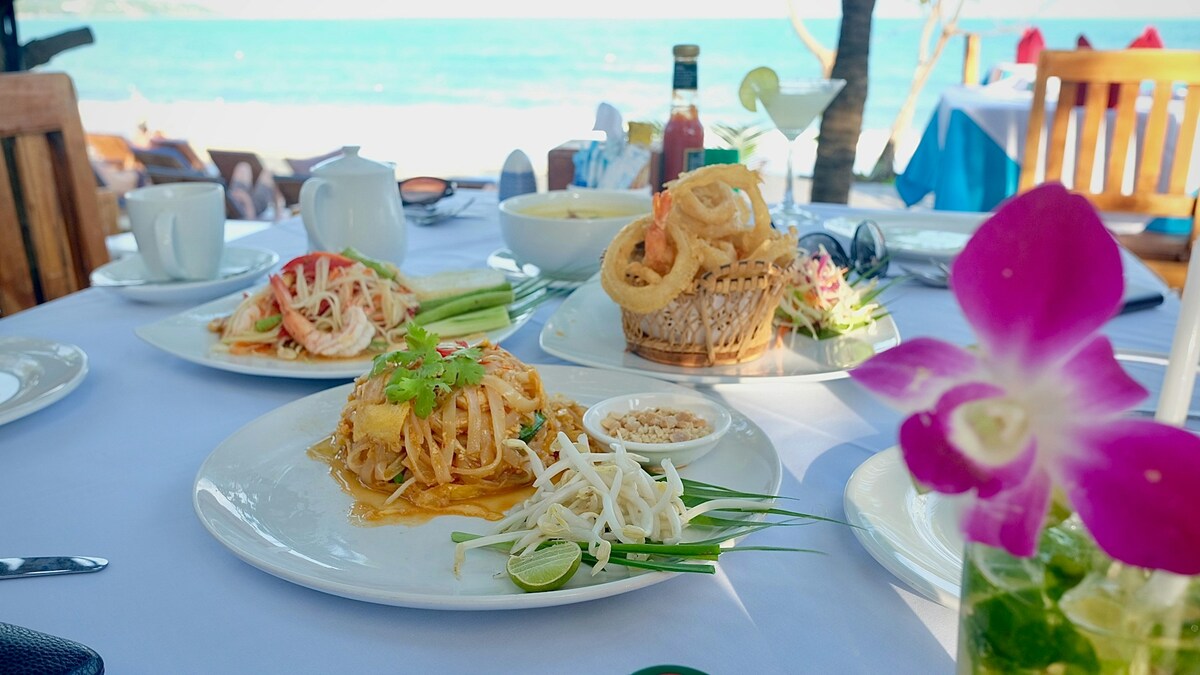
Thai cuisine is built on balance — salty, sweet, sour, and spicy working in harmony. It’s impossible to separate Thailand from its food.
Signature Dishes to Try
-
Pad Thai – Stir-fried noodles with tamarind, fish sauce, lime, and crushed peanuts.
-
Green Curry (Gaeng Keow Wan) – A fragrant coconut-based curry layered with herbs and green chilies.
-
Som Tam – A vibrant papaya salad with lime, chili, fish sauce, and palm sugar.
-
Tom Yum – A bold, aromatic soup infused with lemongrass, galangal, lime leaves, and chili.
And for dessert: Mango Sticky Rice (Kao Niew Ma Muang) — sweet coconut rice paired with ripe mango.
For an immersive experience, take a cooking class in Chiang Mai or Bangkok to understand the layering of flavors firsthand.
Street food remains one of Thailand’s greatest pleasures. Dishes like Pad Kra Pao (Thai basil stir-fry topped with a fried egg) are fast, flavorful, and deeply local.
Related: Foodies’ Guide Through Traditional Greek Cuisine
Why Work With Me as Your Personal Travel Advisor
Thailand is layered, dynamic, and deeply nuanced. Planning it well requires more than booking flights and hotels — it requires insight, relationships, and thoughtful curation. That’s where I come in.
Expert Guidance, Beyond the Guidebooks
I don’t just recommend the highlights — I design experiences. From securing a private long-tail boat at sunrise in Phang Nga Bay to arranging an after-hours temple visit or a chef-led street food tour in Bangkok, your itinerary is built around depth, not surface-level sightseeing. Every recommendation reflects careful research, trusted partnerships, and firsthand knowledge.
A Journey Designed Around You
Whether your focus is culinary discovery, cultural immersion, wellness retreats, or island-hopping luxury, your itinerary is fully customized. No templates. No generic packages. Just a journey shaped around your pace, preferences, and priorities.
Seamless Planning & Ongoing Support
From accommodations and transfers to special experiences and dining reservations, I manage every logistical detail. And should plans shift — as they sometimes do — you’re not navigating it alone. You have dedicated support and an advocate on your side.
Elevated Access & Exceptional Value
Through trusted industry relationships, I’m able to offer preferred amenities, VIP perks, and thoughtful enhancements that elevate your stay. The goal isn’t just to travel — it’s to travel exceptionally well.
Thailand rewards those who plan with intention. If you’re ready to explore it beautifully and effortlessly, I invite you to reach out for a complimentary Discovery Call. Let’s begin designing your journey.