
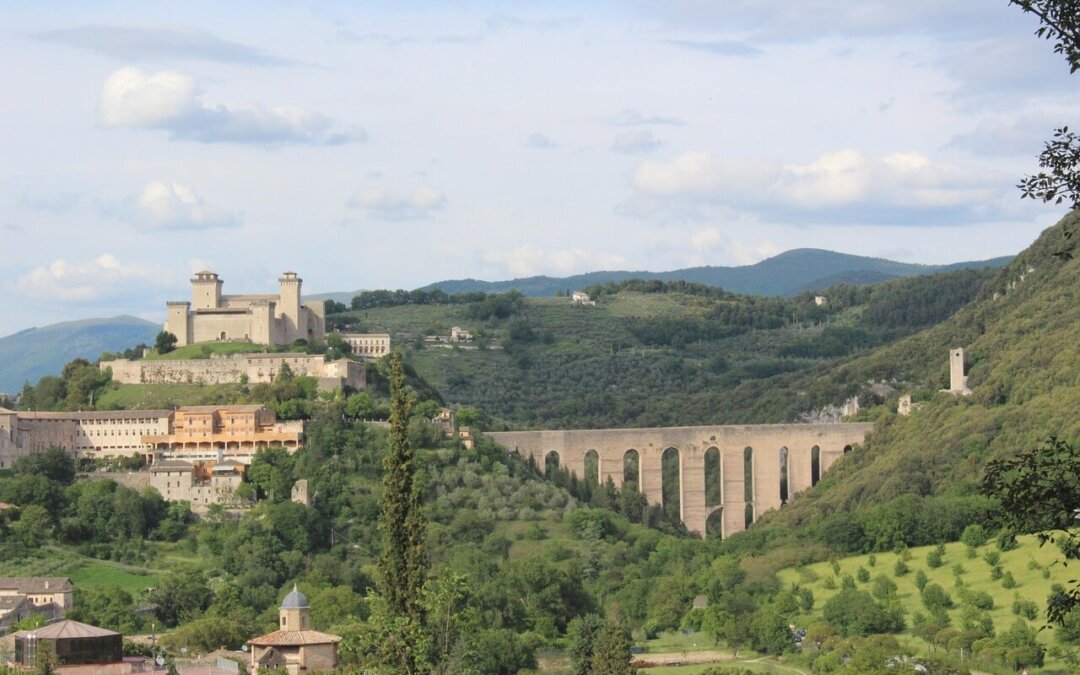
Italy is no secret. The crowds in Florence, the traffic in the Amalfi Coast, the shoulder-to-shoulder summers in Venice—beautiful, yes, but far from serene. If you’ve done the big hits and want something quieter, more grounded, and just as rich, you’re in the right place. Umbria, Le Marche, and Puglia offer the best of what travelers love about Italy—rolling hills, charming towns, rustic food, and coastal magic—but with fewer people, less polish, and way more character. This is Italy without the selfie sticks. This isn’t about rushing through checklists. It’s about traveling slower, more deeply, and letting these lesser-known corners of Italy work their quiet magic.
Umbria
If Tuscany is the polished postcard version of Italy, Umbria is its quieter, earthier cousin—the kind of place that doesn’t need to try so hard to impress. The countryside here is just as much a highlight as the towns. Olive groves and vineyards stretch between farmhouses, and the views are rarely interrupted by crowds or bus tours. This is a place to rent a car, take the scenic route, and stop whenever something catches your eye. You’ll find family-run agriturismos, wine tastings without pretense, and hosts who are genuinely happy to share what they grow.
Medieval Towns That Feel Timeless
- Assisi is more than its famous basilica. It’s a town of soft pink stone, quiet alleyways, and sweeping views of the Umbrian Valley. Go early or stay overnight to see it without the daytrippers.
- Spello is smaller and sleepier—perfect for wandering, flower-filled balconies, and discovering your favorite wine bar on a lazy afternoon.
- Orvieto, perched high on a tufa cliff, stuns with its striped cathedral, underground tunnels, and a calm energy that belies its dramatic setting.
Slow Food and Local Rituals
- Truffle hunting is more than a tourist activity here—it’s a tradition. Especially in fall and winter, you can join local hunters and their dogs to search for black truffles, then enjoy them shaved generously over fresh pasta.
- Food festivals—known as sagre—celebrate everything from lentils to wild boar, often in town piazzas with music and homemade specialties.
- Try Umbrian staples like strangozzi pasta, porchetta, and hearty lentil stews from Norcia, all paired with bold Sagrantino wines.
And if you’re curious about the spiritual heritage, Umbria’s Franciscan roots run deep—not just in Assisi but in the peacefulness of its landscapes, hermitages, and centuries-old pilgrimage routes.
Le Marche
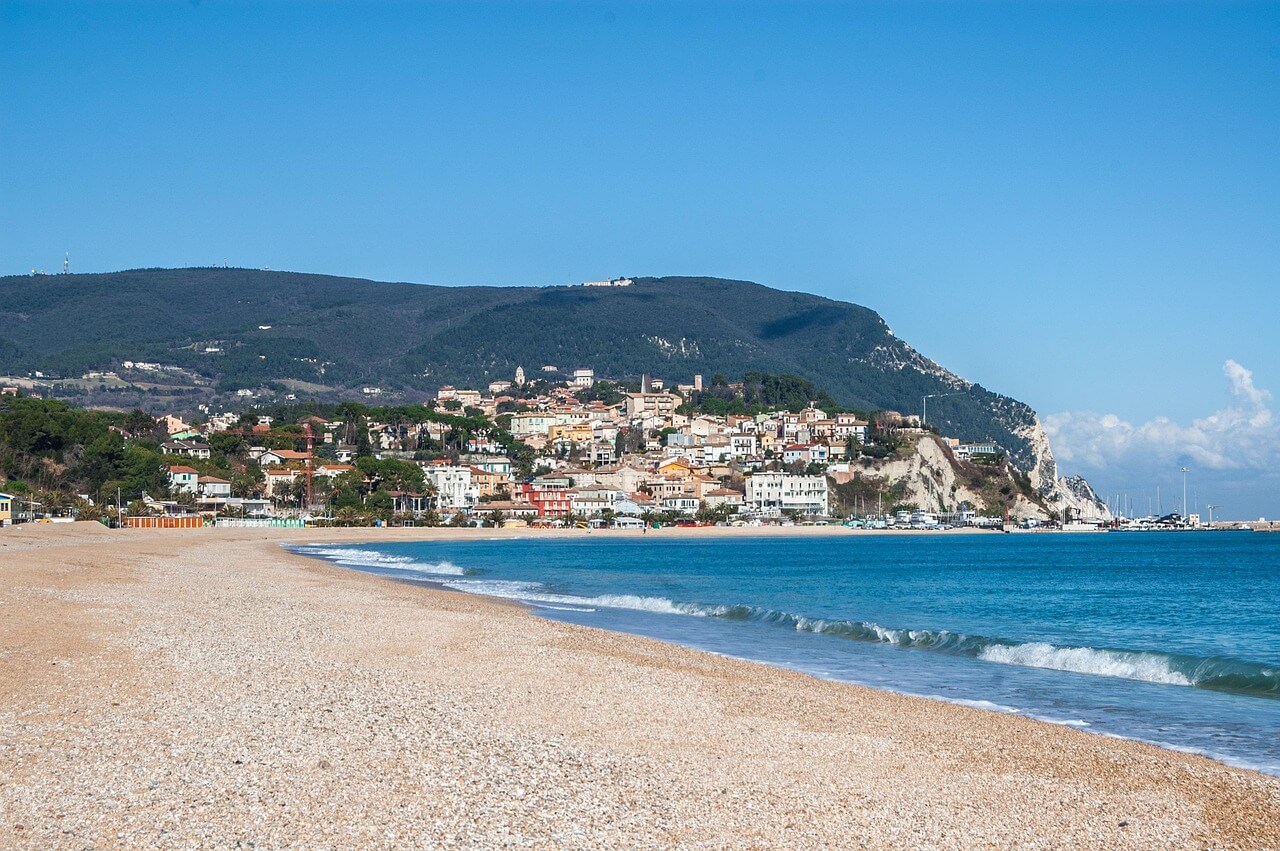
Tucked between the Apennines and the Adriatic, with its golden beaches, Renaissance towns, and rugged mountains, Le Marche feels like Italy the way it used to be: authentic, uncrowded, and deeply rooted in craft, culture, and the rhythms of nature.
Coastal Beauty Along the Conero Riviera
- Sirolo, perched above the sea, offers cliffside views, white pebble beaches, and trails leading down to hidden coves like Spiaggia delle Due Sorelle.
- Portonovo is quieter still—just a few seafood shacks, a historic watchtower, and the kind of peaceful bay that invites long swims and lazy lunches.
This stretch is part of the Conero Natural Park, where limestone cliffs meet turquoise waters, and hikers and sunbathers happily coexist.
Hill Towns
- Urbino, the birthplace of Raphael, is a Renaissance jewel with terracotta roofs, a commanding ducal palace, and a prestigious university that keeps the town feeling lively.
- Offida is known for handmade lace, warm brick buildings, and a truly spectacular hilltop setting—quiet, artistic, and well worth the detour.
Mountains and Moments of Stillness
Inland, the Monti Sibillini range offers hiking, cycling, and wildflower-filled valleys with fewer crowds than the Dolomites. In spring and summer, the Piano Grande near Castelluccio di Norcia bursts into bloom with surreal fields of red, yellow, and purple flowers.
What to Savor
- Fresh Adriatic seafood—especially brodetto, a rich fish stew that varies from town to town.
- Verdicchio, the region’s star white wine, crisp and perfect with seaside meals.
Local pasta dishes like vincisgrassi, a deeply layered ancestor of lasagna, and olive all’ascolana—stuffed, fried olives that are dangerously easy to snack on.
Puglia
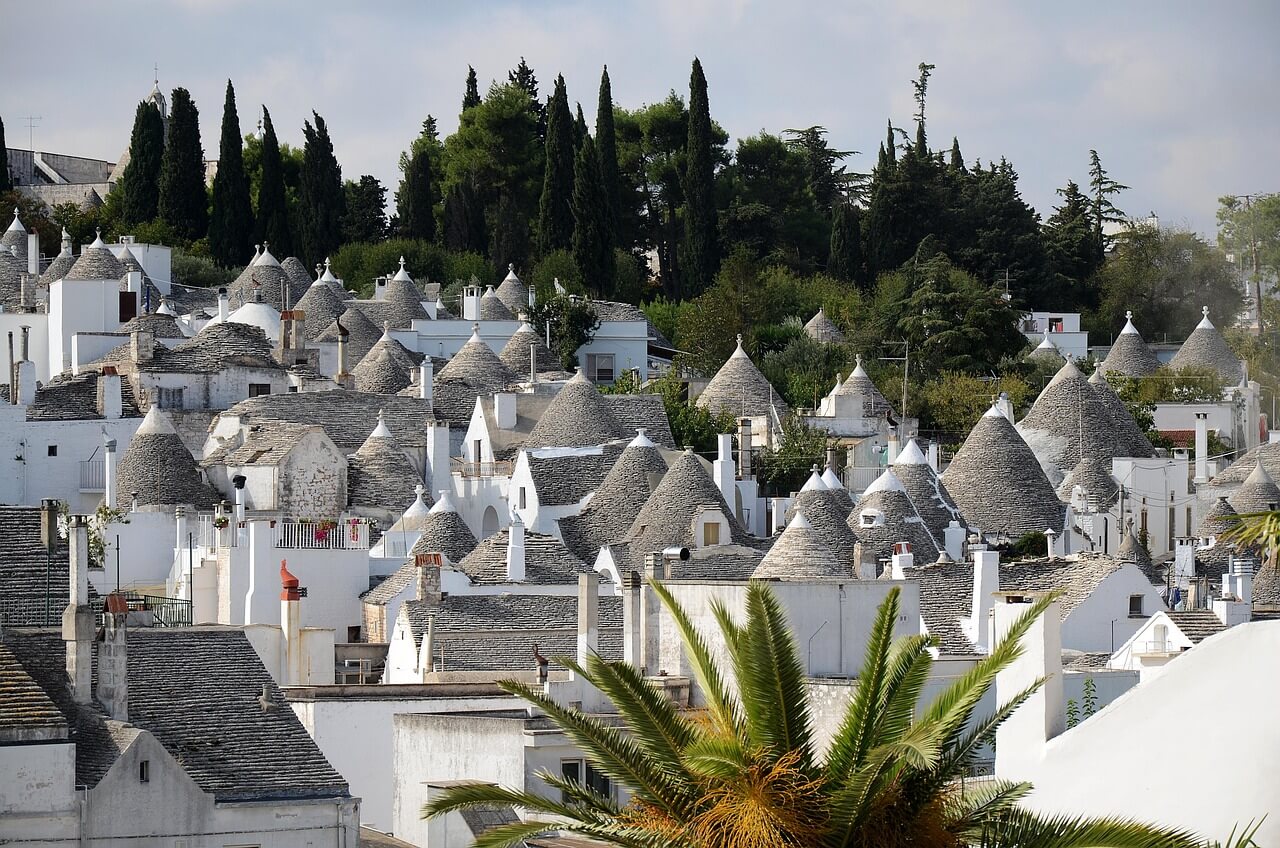
Puglia doesn’t shout for your attention—it seduces you with sunlight, slow rhythms, and a landscape dotted with olive trees that are older than some countries.
Iconic Towns Full of Character
- Alberobello is best known for its UNESCO-listed trulli—fairytale-like stone houses with cone-shaped roofs. Touristy, yes, but if you stay overnight, you’ll see a more peaceful side once the day-trippers leave.
- Ostuni, the “White City,” gleams from its hilltop perch above the Adriatic. It’s a maze of narrow lanes, tiny piazzas, and hidden trattorias—perfect for slow exploring.
- Lecce brings the drama with its rich Baroque architecture, often called the “Florence of the South,” but far less crowded and a lot more relaxed.
Salento’s Seaside Bliss
The Salento Peninsula—the southernmost part of Puglia—is where you’ll find the region’s best beaches.
- On the Ionian side, beaches like Punta Prosciutto and Porto Cesareo offer soft sands and calm, turquoise water.
- The Adriatic side is a little wilder and more rugged, with spots like Santa Cesarea Terme and Castro offering dramatic cliffs and crystal-clear swimming spots.
This is where Italians go to escape the August heat, and for good reason. Life slows to a crawl in the best possible way.
Experiences Rooted in the Land
- Olive oil is a way of life here. Puglia is home to millions of olive trees—some dating back over a thousand years. Visit a family-run frantoio (olive press) for a tasting and tour that’ll change the way you drizzle forever.
- Stay at a masseria—a traditional farmhouse turned boutique hotel. Many offer cooking classes, bike tours, and dinners made with ingredients grown just outside your door.
- Don’t miss the small towns in between the headlines—Ceglie Messapica, Martina Franca, and Locorotondo all offer charm without the crowds.
What to Taste
Puglia’s cuisine is humble but full of soul:
- Orecchiette pasta with turnip greens or fresh tomato sauce.
- Burrata, born here and best eaten as fresh as possible.
- Grilled seafood, wood-fired bread, and vegetables cooked simply in olive oil.
And of course, Primitivo and Negroamaro wines—bold, earthy reds that pair perfectly with a long lunch in the shade.
Getting Around & When to Go
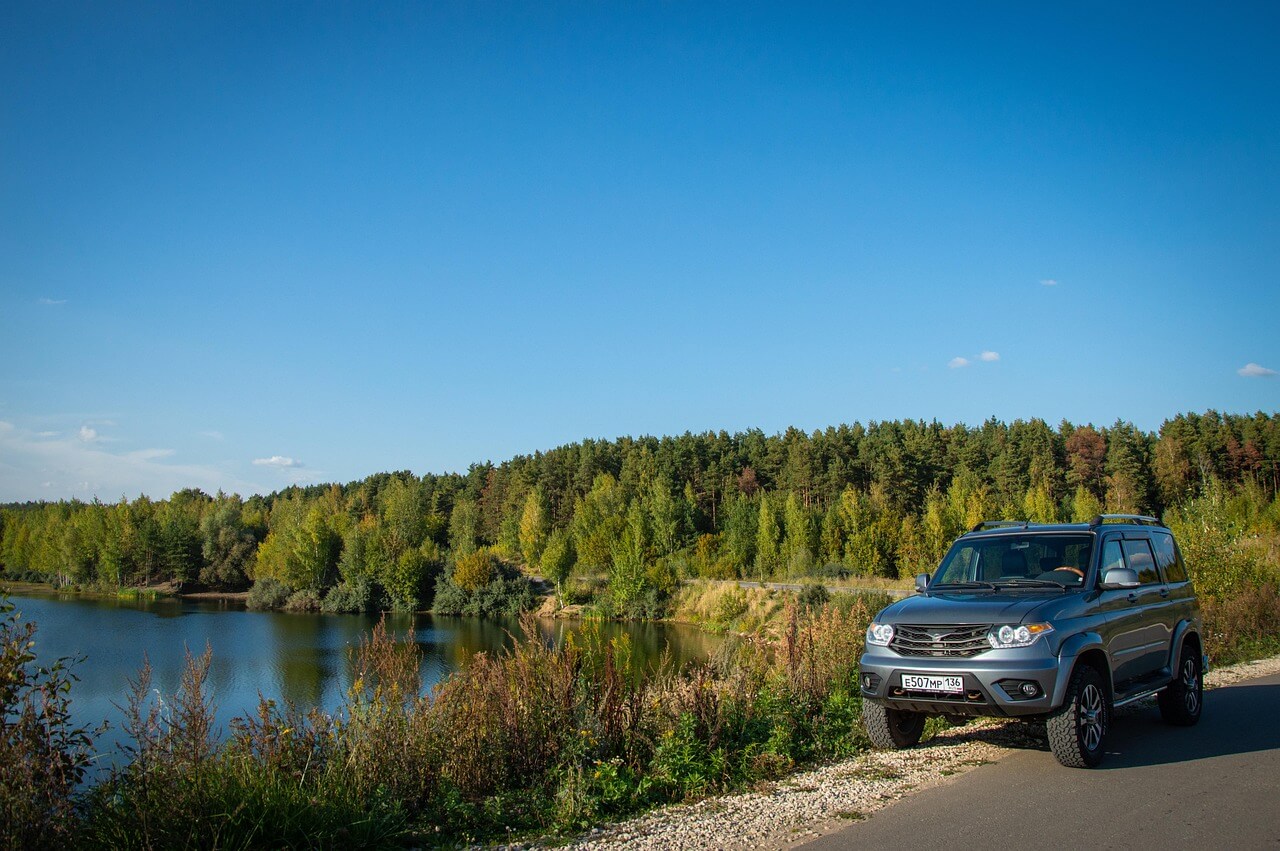
If you want to explore Umbria, Le Marche, and Puglia properly, you’ll need a car. Trains can get you close-ish, but the magic lives in the in-between: winding country roads, hilltop towns, seaside turnoffs that don’t show up in guidebooks.
Renting a car gives you the freedom to:
- Stop for spontaneous vineyard tastings or panoramic viewpoints.
- Base yourself in a countryside agriturismo or masseria and still have access to nearby towns.
- Reach the less-touristed corners where the real charm lives.
Tips for the drive:
- Opt for a smaller car—roads can be narrow and parking tight.
- Manual transmissions are the norm in Italy, so request an automatic early if you need one.
- You’ll need an International Driving Permit (easily available before your trip).
Where to Base Yourself
Each region offers something slightly different in pace and personality:
- In Umbria, base yourself near Spello, Todi, or Bevagna for a central location with countryside charm.
- In Le Marche, Urbino or the coast near Sirolo make great anchors depending on whether you want art or sea.
- In Puglia, consider a masseria near Ostuni or Martina Franca for easy access to both beaches and inland towns.
It’s entirely possible to combine all three regions in one trip—but you’ll want 10–14 days minimum to do it without rushing. A loop that starts in Rome, dips through Umbria and Le Marche, then finishes in Puglia works beautifully with a one-way car rental or open-jaw flight.
When to Visit
Spring (April–June) and Fall (September–October) are ideal. You’ll enjoy:
- Blooming countryside, mild weather, and fewer crowds.
Spring wildflowers in the Monti Sibillini or fall grape harvests in Umbria and Le Marche. - Local festivals (from food sagre to olive oil tastings) that feel authentic and celebratory.
Summer (July–August) can be beautiful—but expect:
- Higher temperatures, especially in inland Umbria and Puglia.
- Crowds on Puglia’s beaches, especially in August when Italians vacation en masse.
- Some towns in Le Marche and Umbria may feel quieter as locals escape the heat.
Still, with a car, AC, and the right pacing, summer can be doable—especially if you’re drawn to the coast.
Plan the Perfect Trip
If you’ve already stood in line at the Colosseum or jostled for views in Florence, you might be ready for something quieter—something that feels less curated and more real. That’s where Umbria, Le Marche, and Puglia come in.
These regions don’t rely on blockbuster landmarks. Instead, they offer rolling vineyards instead of crowds, conversations with locals instead of audio guides, and the joy of discovery without a checklist. This is Italy at its most generous and grounded—where the food tastes like someone’s grandmother made it, and the views are yours to enjoy in near silence.
Trading the iconic for the intimate isn’t about missing out—it’s about connecting more deeply. With the place. With the people. And with how you want to feel when you travel.
If you’re not sure where to start, that’s where I come in.
As a personal travel advisor, I help take the guesswork out of planning these slower, lesser-known routes—whether it’s finding a family-run masseria you’ll never want to leave, or designing a route that flows naturally without feeling rushed. Because this kind of travel deserves to be effortless—and unforgettable.
Get in touch today and discover Italy’s underrated regions.