Food is often the fastest way into the soul of a place. A crowded market stall tells you what locals truly value, a family recipe carries generations of memory, and a corner café reveals the rhythms of a neighborhood you’d never catch in a guidebook. Culinary travel isn’t just about eating—it’s about understanding: where the ingredients come from, how they’re transformed, and why certain dishes matter so deeply to the people who serve them.
This guide is your playbook for traveling with that perspective. Think of it as both a checklist and a confidence boost—designed to cut through the planning overwhelm and help you focus on what really matters: better meals, richer connections, and trips that taste like the place you came to explore.
Define Your Culinary Intent (the most important step)
Before you book anything, get clear on what you want to eat and how you want to experience it. I always tell clients: pick your culinary priorities first, logistics second. That keeps you from overbooking everything and then wondering why you spent your trip in transit instead of at the table.
Taste goals — what style of eating are you chasing?
Street food, fine dining, or market-to-table? Each delivers a very different payoff. Street food is high-volume discovery—cheap, immediate, and great for sampling local flavors. Fine dining (chef’s tables, tasting menus) is slower, pricier, and more about technique and storytelling. Market-to-table is practical and social: you shop, taste, and learn where ingredients come from. You can mix styles—an ideal week might pair two nights of tasting menus with daytime market and street-food runs—but it helps to choose a dominant mode so your downtime matches your energy.
Experience goals — what do you want to do besides eat?
Do you want hands-on learning (cooking classes, foraging, farm visits), insider access (chef’s table, cellar tour), or just relaxed tastings? Classes and foraging are immersive and require time and sometimes fitness; chef’s tables are intimate and limited; market walks are flexible and high-return for low cost. Match the experience to how much time and focus you want to give—a single multi-day cooking retreat will change the shape of a short trip, while a market tour is a quick win any morning.
Logistics — pace, company, and dietary constraints
Decide your pace: intensive (two food experiences per day) or relaxed (one major experience plus market wandering). Traveling solo means more flexibility to snag single seats at chef’s tables; groups need coordinated bookings and possibly private experiences. If you have dietary restrictions, flag them early: some traditional meals don’t adapt easily, and a local guide or travel advisor can save you a lot of friction.
When to Go — Timing for Food Experiences
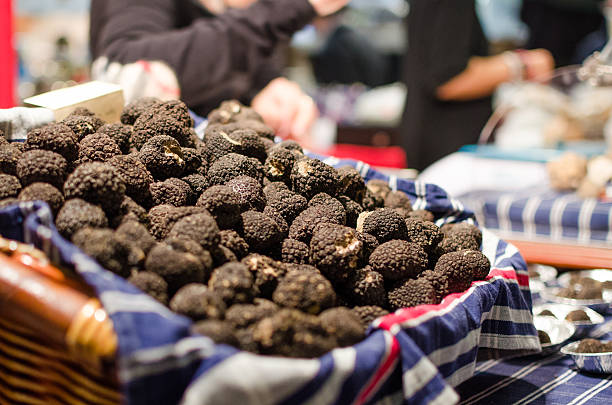
Timing can make or break a food trip. Get it right, and you’ll catch a region at its peak—truffles pulled from the ground that morning, grapes still sticky from harvest, or a food festival buzzing with locals. Get it wrong, and you might find markets half-empty or the dish you traveled for simply out of season. A little planning here pays off big.
Seasons to watch:
Harvest is always a highlight. In Europe and North America, grape picking and cellar action peak in September–October; in the Southern Hemisphere, the same magic shifts to March–April. Truffle and mushroom seasons also land in autumn, especially in Italy and France where white truffle festivals take over small towns. Many regions tie food festivals to these cycles—olive oil pressing in late autumn, saffron harvests, even pomegranate celebrations—so checking local calendars is worth it. (If food festivals make your heart beat faster, I’ve written a full guide on them here.)
Booking windows:
The hardest-to-get seats—like Michelin tasting menus or chef’s tables—need reservations three to six months out. Cooking retreats and boutique workshops fill up on similar timelines. For truffle hunts, foraging walks, and farm visits, prime weekends need months of notice, though weekdays can be easier. And big food festivals? Plan at least a few months in advance; some headline events open their ticketing nearly a year ahead.
Practical tips:
Flexibility helps—midweek and shoulder-season bookings often mean less competition and more personal attention. Always confirm seasonal availability a week before you go (you don’t want to arrive for oysters only to learn the beds are closed). And above all, secure your “must-do” experiences first, then fill in your markets and casual meals around them.
Get the timing right, and you’re not just eating—you’re tasting a place exactly when it shines.
Choosing the Right Base (Where to stay)

Where you stay can make or break a culinary trip. The wrong neighborhood leaves you wasting time (and money) on taxis; the right one puts markets, tastings, and dinners right outside your door. Think of your base as part of the trip itself—not just a bed to crash in.
If early market runs are on your list, stay within walking distance of the main square or covered market. Arriving first means better produce, shorter lines, and sometimes even friendlier prices. If you’re more of a night owl, you’ll want a neighborhood with lively bars, late bakeries, or small-plate bistros so you can keep grazing after dinner.
Planning lots of day trips to wineries, dairies, or countryside producers? Then, a base with easy road access, parking, or a concierge who can arrange drivers will save you headaches. And remember—markets start early. If you’re not a morning person, choose a quieter street that’s still central enough to reach the action when you’re ready.
Your accommodation should match the kind of trip you want. Boutique city hotels work beautifully for short food crawls—central, stylish, and with a concierge to help snag those tricky reservations. If you’re exploring a wine region or farm-to-table circuit, agriturismos and country inns give you proximity to producers plus hearty breakfasts straight from the land. For deeper learning, cooking-school residencies or retreats often bundle classes with market access and insider supplier visits. And if you’re traveling with family or staying longer, a private villa or serviced apartment with a kitchen lets you cook what you find in the market—or bring in a private chef.
In short, let your food goals guide your choice. The right base won’t just support your trip—it will flavor it.
Classes, Workshops & Hands-On Learning

If you want to come home with real skills and stories, hands-on cooking experiences are the way to go. They let you take a place back into your kitchen, and the memories last far longer than anything you can buy in a shop.
Types of experiences you’ll find
Cooking classes come in many flavors. Quick, one-off sessions (two to four hours) are perfect for short trips—think a paella lesson in Valencia, a pasta workshop in Rome, or a dumpling-making class in Shanghai. Multi-day retreats go deeper, blending market runs, technique lessons, and communal meals; these are ideal if you want true skill transfer and the time to absorb a cooking culture. Masterclasses are for enthusiasts who want to dive into a single craft—charcuterie, bread baking, or fermentation—usually taught by professional chefs or specialists in small groups. And then there are hybrid programs, which often combine a market tour, a cooking session, and a shared meal. These are common in Europe and Asia, and deliver excellent value if your time is limited.
How to choose the right one
When comparing programs, size really matters. Smaller groups (6–12 people) mean more time at the cutting board and better feedback from the instructor. Language is another factor—make sure the class is taught in a language you’re comfortable with, or that translation is provided. Think, too, about depth: do you want to master one finished dish, or understand broader techniques so you can recreate multiple meals back home?
Instructor credentials can be a big differentiator. Chefs with industry backgrounds or ties to respected cooking schools usually bring a higher level of rigor, while masterclasses with well-known chefs can be worth the splurge. And don’t underestimate the value of market or producer access—those visits teach you provenance and flavor logic that a kitchen session alone can’t provide.
What to prepare before you go
A little prep makes the experience smoother. Share dietary restrictions when booking and again a few days before; ask specifically about cross-contamination if allergies are serious. Dress smart—closed shoes, comfortable trousers, and layers for kitchens that swing hot and cold. Most schools provide aprons, but bring your own if you prefer. Some travelers even pack a favorite paring knife (though check airline rules).
Confirm practical details, too: the meeting point (is it the market or the kitchen?), arrival time, payment and cancellation terms, and whether you’ll leave with printed recipes, an emailed pack, or just memories. Some programs also offer certificates, so ask ahead if that matters to you.
Working with a Culinary Travel Advisor
Food travel isn’t just about eating well — it’s about understanding the food, the people who make it, and the culture it represents. That’s where I come in. As a travel advisor specializing in culinary journeys, I transform a list of meals into a story-driven adventure that connects you to a destination in unforgettable ways.
What I Handle (So You Can Simply Enjoy)
- Exclusive access: Chef’s tables, private truffle hunts, behind-the-scenes winery tours, and reservations you won’t find online.
- Seamless logistics: Flights, transfers, and carefully timed tastings — without you sprinting between a vineyard and a dinner seating.
- Peace of mind: From deposits to cancellation terms, I manage the paperwork and vet every partner for quality, safety, and authenticity.
- Problem-solving: Travel hiccups happen. I’m there to fix missed flights, menu mix-ups, or last-minute changes so your trip stays on track.
Ready to taste the world? Get in touch today to get started on your culinary journey.