
There’s a rare kind of intimacy in walking the same paths that once sparked a writer’s imagination. Standing before a view described in a beloved novel or sitting where a poet once wrote brings stories off the page and into real life. It’s a connection that feels both personal and timeless — a dialogue between creativity and place.
For today’s traveler, literary tourism offers a slower, deeper way to experience culture. Instead of rushing between landmarks, it invites reflection: to linger in libraries, wander through atmospheric neighborhoods, and see a destination through the eyes of its storytellers.
This kind of travel is enjoying a renaissance. Film and television adaptations have revived interest in classic authors, while book festivals and heritage tours are reimagining how we engage with literature. Whether tracing Joyce’s Dublin or following Austen through Bath, literary journeys remind us that stories aren’t confined to pages — they live in the streets, landscapes, and cafés that first inspired them.
The Top Literary Destinations Around the World
Edinburgh, Scotland — Robert Burns, Sir Walter Scott & Robert Louis Stevenson
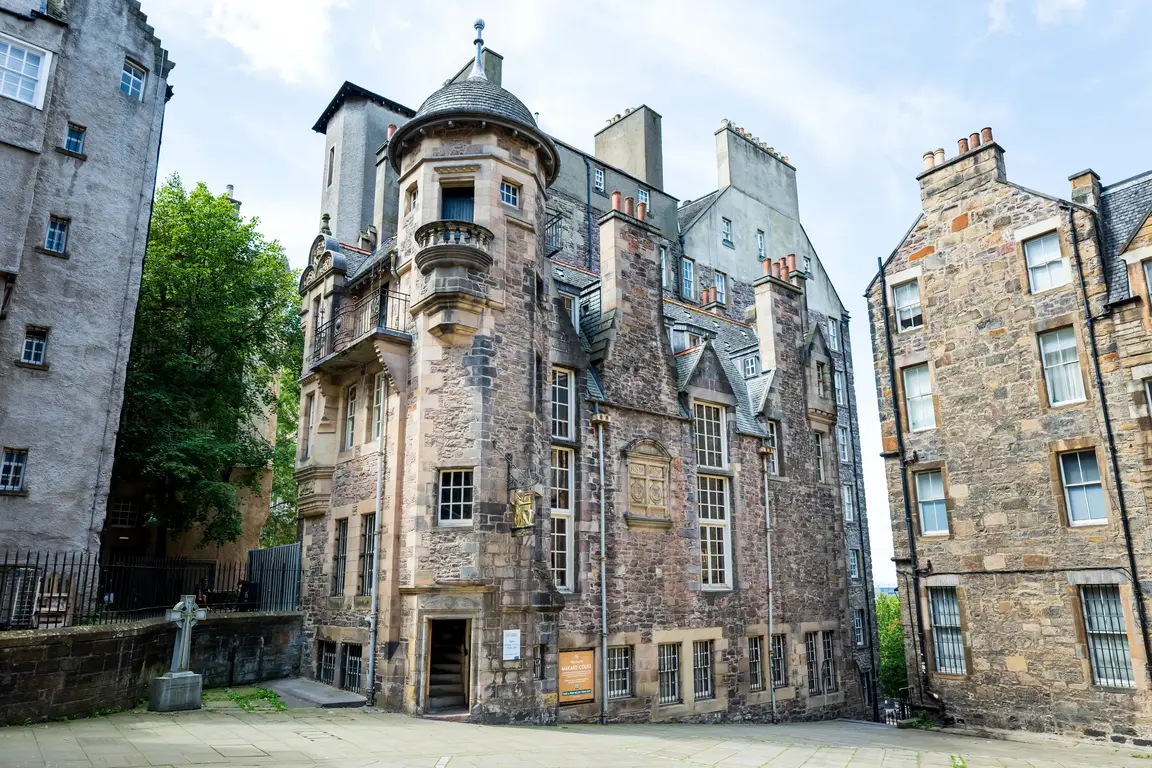
Edinburgh’s literary identity is inseparable from the writers who shaped it. The works of Burns, Scott, and Stevenson still echo through the city’s closes and stone terraces, giving Old Town a sense of narrative depth. Begin at the Writers’ Museum to understand how their voices defined Scotland’s cultural identity, then wander the same streets that inspired their stories. More recently, J. K. Rowling added a modern chapter, drafting early Harry Potter scenes in the city’s cafés. Edinburgh feels less like a backdrop and more like a living anthology.
Bath, England — Jane Austen
Bath unfolds through the social lens of Jane Austen, whose novels captured the nuances of Regency life with precision and wit. The city’s crescents, assembly rooms, and promenades are not just architectural highlights — they are central to the world she wrote about. Walking through Bath offers a deeper understanding of her characters, their rituals, and the society they navigated. A visit here feels like stepping directly into the pages of Persuasion or Northanger Abbey.
Paris, France — Ernest Hemingway & F. Scott Fitzgerald
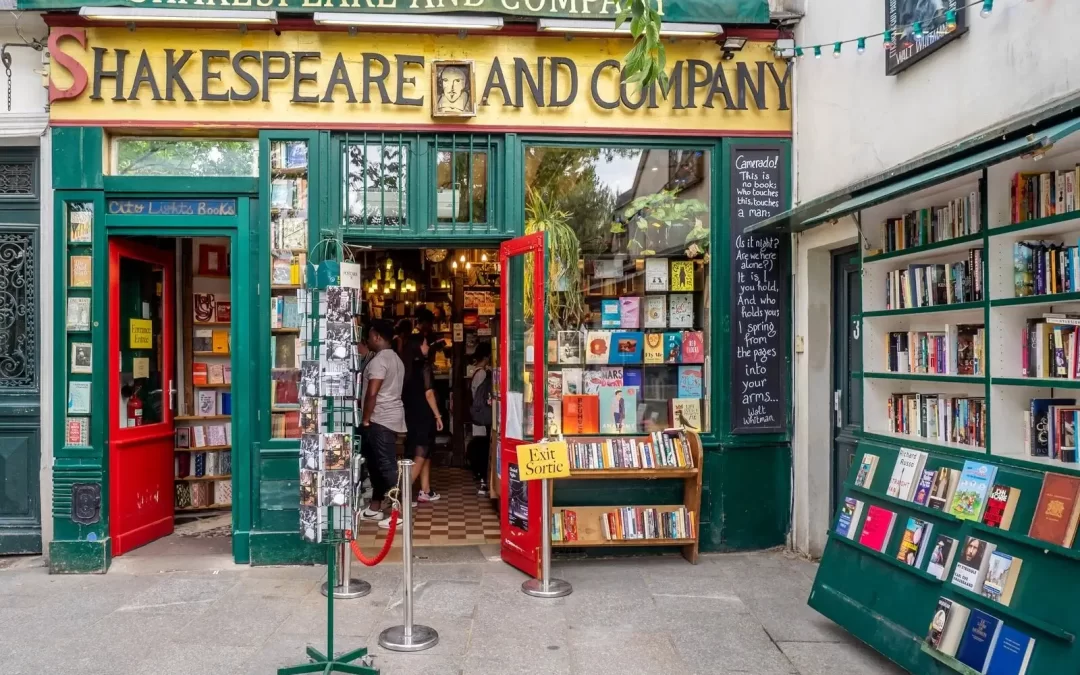
Paris has long drawn writers in search of inspiration, and few captured it as vividly as Hemingway and Fitzgerald. Their Paris was one of smoky cafés, long conversations, and creative ambition — a spirit that still lingers in the Latin Quarter and along the Seine. Bookshops like Shakespeare & Company continue that tradition, bridging past and present. In Paris, literary history feels layered, with each generation of writers adding to its enduring mythology.
Dublin, Ireland — James Joyce
Dublin is, in many ways, inseparable from James Joyce. His work, especially Ulysses, maps the city with remarkable precision, turning ordinary streets into literary landmarks. Walking through Dublin becomes an act of reading in motion, where pubs, bridges, and neighborhoods carry the weight of his words. Beyond Joyce, the city’s long storytelling tradition adds to its appeal, but it is his voice that most vividly defines its literary identity.
London, England — Charles Dickens, Virginia Woolf & William Shakespeare
London’s literary identity spans centuries, shaped by writers who captured its many contrasts. Dickens chronicled its social realities, Woolf explored its inner life, and Shakespeare helped define its cultural legacy. Their influence can still be traced through neighborhoods, theatres, and historic landmarks. London offers a layered experience, where different literary eras coexist within a single city.
Buenos Aires, Argentina — Jorge Luis Borges
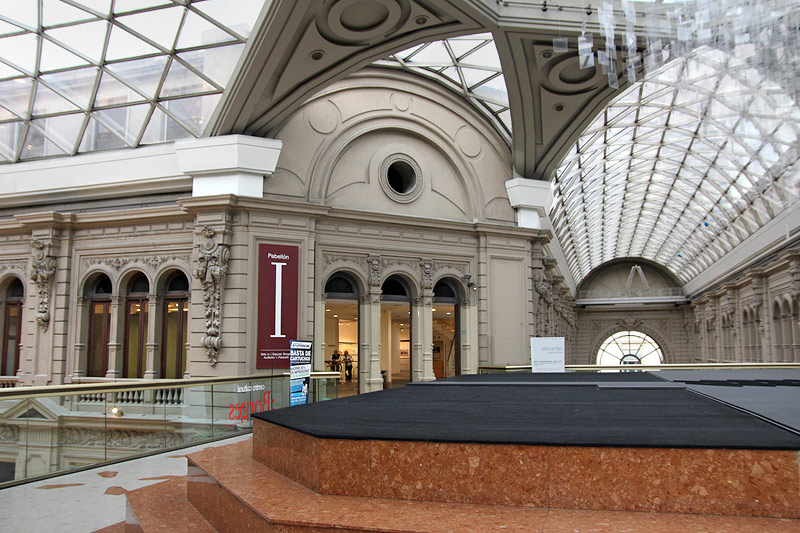
Buenos Aires reflects the intellectual and imaginative world of Jorge Luis Borges, whose stories blurred the line between reality and fiction. The city’s labyrinth of streets, libraries, and cafés mirrors the themes he explored — memory, identity, and infinity. Visiting places tied to Borges offers insight into how the city shaped his thinking, while also revealing Buenos Aires as a place where literature is deeply woven into everyday life.
Kyoto, Japan — Matsuo Bashō
Kyoto’s literary identity is rooted in the quiet precision of Matsuo Bashō. His haiku captured fleeting moments of nature and reflection, a sensibility that still defines the city’s atmosphere. Walking the Philosopher’s Path or visiting temple gardens echoes the same stillness found in his work. Kyoto invites a slower, more contemplative form of literary travel, where observation becomes part of the experience.
Istanbul, Turkey — Orhan Pamuk
Istanbul comes into focus through the writing of Orhan Pamuk, who explores the city’s layered identity between East and West. His work captures its sense of nostalgia, complexity, and quiet tension, offering a deeply personal portrait of place. The Museum of Innocence, inspired by his novel, brings fiction into the physical world, making Istanbul one of the few cities where a story can be experienced so tangibly.
Prague, Czech Republic — Franz Kafka
Prague’s atmosphere aligns closely with the work of Franz Kafka, whose writing reflects its sense of mystery and unease. The city’s narrow streets, gothic architecture, and shifting light create a setting that feels almost surreal. Visiting Kafka’s Prague is less about specific landmarks and more about absorbing the mood that shaped his perspective.
Reykjavík, Iceland — Halldór Laxness
Reykjavík’s literary culture is deeply tied to Iceland’s storytelling tradition, with Halldór Laxness as one of its most prominent voices. His work reflects the country’s landscapes, struggles, and identity, offering a powerful sense of place. The city itself feels quiet and reflective, reinforcing Iceland’s reputation as a nation of readers and writers.
Kolkata, India — Rabindranath Tagore
Kolkata’s literary life is shaped by Rabindranath Tagore, whose poetry and prose helped define modern Indian literature. His influence is still felt across the city, from cultural institutions to everyday conversations about art and ideas. Kolkata offers a more intellectual and immersive literary experience, rooted in history and creative expression.
Mexico City, Mexico — Octavio Paz
Mexico City reflects the intellectual depth and cultural insight of Octavio Paz. His writing explored identity, history, and the complexities of Mexican society, themes that resonate throughout the city. Museums, bookstores, and cultural spaces bring his legacy to life, making it a compelling destination for literary travelers.
Lisbon, Portugal — Fernando Pessoa
Lisbon carries the introspective spirit of Fernando Pessoa, whose work often explored identity and perception. The city’s quiet corners, river views, and historic cafés mirror the tone of his writing. Following his footsteps through Lisbon reveals a city that feels both personal and poetic, shaped as much by introspection as by place.
Literary Events & Festivals
Hay Festival – Wales
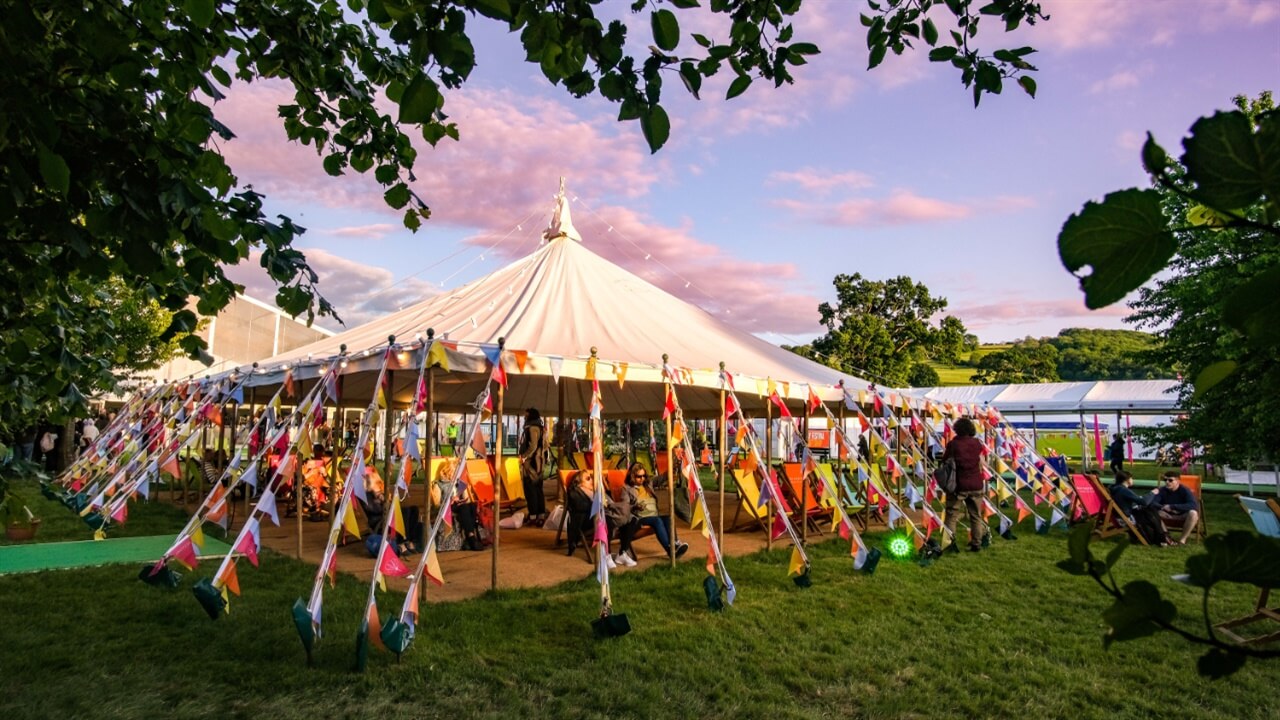
Often called “the Woodstock of the mind,” the Hay Festival transforms a small Welsh market town into a global hub for ideas and storytelling. Writers, thinkers, and dreamers gather for ten days of readings, debates, and fireside conversations. The atmosphere is warm and unpretentious; a village of book lovers surrounded by rolling green hills.
Ubud Writers & Readers Festival – Bali
Each autumn, Bali’s artistic heart, Ubud, fills with writers and readers from around the world. The atmosphere is relaxed yet deeply creative — a mix of tropical gardens, open-air readings, and thought-provoking workshops. Between sessions, guests can visit local artisans or join Balinese cooking and meditation classes that reflect the island’s spirit of balance.
Edinburgh International Book Festival – Scotland
Set in the leafy Charlotte Square Gardens, the Edinburgh International Book Festival is one of the most refined literary gatherings in the world. It combines intellectual depth with classic Scottish hospitality — readings in historic tents, whisky tastings with authors, and literary lunches that stretch into late afternoon.
How to Make the Most of a Literary Journey
Read before you go. A pre-trip read deepens every encounter: a novel set in the city, a writer’s memoir, or the poet’s selected works will sharpen details you might otherwise miss.
Choose themed pacing over packed checklists. Plan two highlight visits per day and leave room for lingering. Literary travel rewards slow attention: a long café stop, an unscripted bookshop detour, or an hour in a library reading room.
Book private guides and scholars. Public tours are fine, but a specialist guide — a Joyce scholar in Dublin or a local archivist in Bath — transforms streets and manuscripts into stories with context and color.
Secure after-hours access where possible. Private archive viewings, reserved library time, or a closed-door bookstore appointment make a trip feel privileged and personal.
Mix public events with quiet moments. Attend a reading or festival panel, then retreat to a garden or hotel library to reflect and write. Balance keeps the trip restorative rather than exhausting.
Keep a travel notebook. Encourage guests to jot impressions, favorite quotations, and unexpected discoveries. These notes become the trip’s small literary harvest.
Pack smart. Bring a compact reading light, a favorite pen, spare prescription lenses if needed, and a lightweight tote for books and purchases. A modest portable charger is essential for on-location research or translation apps.
Layer cultural experiences. Combine a literary trail with related music, food, or architecture: a composer’s home, a historical cooking class, or an architecture tour adds texture to the story.
Why Work with a Personal Travel Advisor
A great literary journey unfolds like a well-written novel — layered, atmospheric, and free of logistical clutter. That’s where a personal travel advisor makes all the difference.
From securing private access to library archives and author estates to pairing luxury stays with guided cultural experiences, I curate every element with care. Each itinerary balances comfort with discovery, leaving space for slow mornings, handwritten notes, and conversations that linger over tea or wine.
Whether you dream of tracing Hemingway’s haunts in Paris or attending a poetry reading beneath Kyoto’s cherry blossoms, I’ll handle the research, reservations, and refinements so you can simply immerse yourself in the story.
Let me craft your own chapter of literary wanderlust — a journey written just for you.